A good home health dashboard device turns scattered readings into something you can actually use. Instead of guessing about air quality, activity, stress, or energy use, you get a clearer picture of what is affecting your home and health.
This roundup highlights six devices with different strengths, from environmental monitoring to wearable health tracking and biofeedback. The goal is simple: help you choose the setup that fits your routine, your space, and the kind of data you want to act on.
Best 6 Home Health Dashboard Device Picks for 2026
Best for Whole-Room Automation
Layla Smart Home Agent 9-in-1 Sensor

- All-in-one monitoring for air quality, motion, noise, and humidity
- IR-based AC automation can reduce wasted cooling
- No subscription and no microphone or camera
Best For: Bedrooms, nurseries, offices, and rentals needing privacy-friendly room monitoring and AC automation.
Best for Objective Rehab Tracking
Activforce2 Bluetooth Dynamometer

- Strength and ROM testing in one portable device
- Bluetooth dashboard with PDF report generation
- Useful for left/right symmetry and progress monitoring
Best For: Clinicians and home health providers who need objective rehab tracking.
Best Air-Quality Home Health Monitor
Amazon Smart Air Quality Monitor
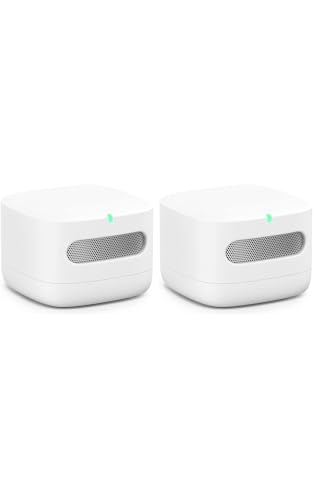
- Tracks PM 2.5, VOCs, CO, humidity, and temperature.
- Alexa app scores and LED alerts keep readings easy to follow.
- Can trigger compatible purifiers, fans, and dehumidifiers automatically.
Best For: Alexa users who want an easy indoor air monitor that can also automate climate-control devices.
Best for Meditation Biofeedback
Flowtime Biosensing Meditation Headband

- Live brainwave and HRV feedback during meditation
- App lessons plus detailed session reports
- Lightweight and portable for home or travel
Best For: Meditators who want guided biofeedback and detailed progress tracking at home.
Best for Local Energy Control
Refoss Smart Home Energy Monitor

- Local-only control with no cloud dependency
- Native Home Assistant and MQTT support
- Solar-aware automation with circuit-level monitoring
Best For: Homeowners who want private, local energy monitoring and smart automation.
Best for Whole-Room Automation – Layla Smart Home Agent 9-in-1 Sensor
If you want a home health dashboard device that does more than track one metric, Layla combines air quality, motion, noise, humidity, and AC control in a single room sensor. It’s a practical pick for buyers who want fewer apps and a clearer picture of what’s happening in a space.
Best For: Bedrooms, nurseries, offices, and rentals where occupancy-aware AC control and environmental monitoring matter.
Pros:
- Combines CO2, bVOC, humidity, noise, motion, occupancy, energy, and AC control in one device
- Privacy-friendly monitoring with no microphone or camera
- No subscription, with historical data and automation included
- Works with Alexa and Google Home for routine-based control
Cons:
- Most useful if you already have IR-based AC units to control
- More advanced than a simple air monitor, so setup may take a little longer
As a home health dashboard device, Layla stands out for bringing environmental awareness and automation together instead of splitting them across multiple gadgets. If you care about comfort, energy use, and room-by-room monitoring in one place, it’s a strong all-in-one option.
Best for Objective Rehab Tracking – Activforce2 Bluetooth Dynamometer
If you want a home health dashboard device that turns rehab measurements into clear, trackable data, the Activforce2 is built for that workflow. It combines strength testing and range-of-motion measurement in one portable unit, then pushes results to an online dashboard for easy review and reporting.
Best For: Physical therapists, clinicians, and home health teams that need reliable strength, ROM, and symmetry data in a compact device.
Pros:
- Measures peak force, average force, AROM, PROM, and left/right symmetry
- Bluetooth connectivity and online dashboard make progress tracking simple
- Lightweight, portable design works well across clinical and home settings
- Generates PDF reports for clearer documentation and patient sharing
Cons:
- More specialized than a general-purpose fitness gadget
- Requires comfort with digital reporting tools to get the most value
- Not designed as an all-in-one consumer wellness monitor
For buyers prioritizing measurable rehab outcomes, this stands out as a practical home health dashboard device that supports objective decisions rather than guesswork. Its real strength is combining portable testing hardware with dashboard-based reporting and patient-friendly feedback.
Best Air-Quality Home Health Monitor – Amazon Smart Air Quality Monitor
If you want a home health dashboard device that helps you understand indoor conditions at a glance, this Alexa-powered monitor is a practical place to start. It tracks PM 2.5, VOCs, carbon monoxide, humidity, and temperature, then turns the data into simple alerts and an easy-to-read air quality score in the Alexa app.
Best For: Alexa households that want a simple indoor air monitor for spotting air-quality changes and automating purifiers, fans, or dehumidifiers.
Pros:
- Tracks five useful indoor air factors in one compact sensor.
- Color-coded LED plus Alexa app scoring makes readings easy to understand.
- Phone alerts and Echo announcements help you react quickly to poor air.
- Routines can trigger compatible smart devices automatically.
Cons:
- Works best in an Alexa setup, so it’s less appealing outside that ecosystem.
- It measures air quality rather than providing full medical or wellness tracking.
- Some users may prefer a dedicated display instead of app-based insights.
For buyers building a home health dashboard device around air quality, this pack of two offers broad coverage and straightforward automation. It is especially useful if you want monitoring and smart-home responses to work together without a lot of setup.
Best for Meditation Biofeedback – Flowtime Biosensing Meditation Headband
If you want a home health dashboard device that focuses on meditation rather than general wellness tracking, Flowtime gives you live feedback on brainwaves, heart rate, HRV, breathing, and stress signals. It is designed to help you see what is happening during a session so you can adjust your practice in real time.
Best For: Meditators who want guided biofeedback and detailed progress tracking at home.
Pros:
- Real-time biosensing shows brainwaves, heart rate, HRV, and relaxation levels.
- App lessons and reports help beginners build a routine and track improvement.
- Lightweight 29g headband is easy to wear at home or on the go.
- Long battery life supports extended use with minimal charging.
Cons:
- Requires the app for the full experience and lesson library.
- Most useful for meditation biofeedback, not broad health monitoring.
For buyers who mainly want a meditation-focused home health dashboard device, Flowtime stands out for turning a session into measurable data instead of guesswork. It is a strong fit if you value feedback, coaching, and trend tracking over a simple relaxation gadget.
Best for Call-Ready Health Monitoring – ENOMIR Smartwatch with Alexa
If you want a home health dashboard device that also works as an everyday smartwatch, this ENOMIR model is built around easy at-a-glance tracking and phone-free convenience. It combines call and message access with health monitoring, so it’s useful for checking basics without pulling out your phone all day.
Best For: Buyers who want a feature-rich smartwatch for health tracking, reminders, and hands-free call/message access.
Pros:
- Tracks heart rate, blood oxygen, sleep, and stress with all-day monitoring
- Lets you answer/make calls and view notifications via Bluetooth
- Alexa built-in and AI voice control add convenient hands-free functions
- 100+ sport modes and 3ATM waterproofing support active everyday use
Cons:
- Health features are useful for trends, but not a substitute for medical devices
- Some advanced functions depend on Bluetooth connection to your phone
For shoppers comparing a home health dashboard device in smartwatch form, this one stands out for its balance of reminders, activity tracking, and voice assistant support. It’s a practical pick if you want one wearable that helps organize daily routines while keeping an eye on basic wellness metrics.
Best for Local Energy Control – Refoss Smart Home Energy Monitor
If you want a home health dashboard device for tracking electricity use in real time, the Refoss Smart Home Energy Monitor stands out for its local-first design. It gives you detailed circuit and appliance data without requiring cloud access, so you can monitor usage, automate responses, and keep your data inside your home network.
Best For: Homeowners who want private, local energy monitoring with Home Assistant, MQTT, and solar-aware automation.
Pros:
- Works locally with a built-in web UI, Open API, and MQTT
- Native Home Assistant support with no firmware flashing required
- Useful for solar homes with automation to reduce feed-in and shift loads
- Accurate real-time monitoring with long-term history and no subscription fees
Cons:
- Requires panel installation, so it is not as simple as a plug-in monitor
- Most useful for users already invested in smart home automation
- Advanced features may be more than casual users need
As a home health dashboard device, it is strongest for buyers who care about privacy, automation, and detailed electrical insights rather than a basic app-only meter. If you have solar and want to optimize when appliances run, Refoss offers a practical, technically capable setup.
How We Picked These Home Health Dashboard Devices
We focused on products that deliver practical, easy-to-read data, connect well with everyday apps or dashboards, and solve a real home-use need. We also looked for options that support ongoing tracking rather than one-off measurements, since a Home Health Dashboard Device should help you spot trends over time.
Priority went to devices with clear measurement categories, usable interfaces, and enough flexibility for different buyer types, including wellness tracking, indoor air monitoring, and home energy oversight.
Quick Comparison
Think of these picks in three groups: environmental monitors for air and home conditions, wearables and biofeedback tools for personal wellness, and energy monitors for understanding how household systems affect comfort and efficiency. That split makes it easier to choose based on the data you care about most.
Key Buying Factors for a Home Health Dashboard Device
What Do You Want to Measure?
Start with the main metric. If indoor comfort matters most, look at air quality, humidity, and noise. If your goal is personal wellness, consider heart rate, HRV, stress, or movement. If you want a broader picture of the home, energy monitoring can reveal patterns that affect comfort and costs.
How Will You View the Data?
Some devices work best through a phone app, while others are designed for live dashboards, web interfaces, or voice assistants. Choose the format you will actually check regularly. A simple interface often beats a feature-heavy one that is hard to interpret.
Do You Need Real-Time Tracking or Trend Analysis?
Real-time alerts are useful for air and energy changes, while trend analysis matters more for fitness, stress, and recovery. The best Home Health Dashboard Device for you should make both short-term changes and long-term patterns easy to understand.
Will It Fit Your Setup?
Check compatibility with your phone, smart home ecosystem, and any other tools you already use. For home-based wellness tracking, placement and battery life matter too, especially if you want continuous monitoring without constant maintenance.
Who Should Buy Which Home Health Dashboard Device?
Buy an environmental monitor if you want better control over air quality and indoor conditions. Choose a wearable or biofeedback device if you want personal health insights you can track daily. Pick an energy monitor if you want to connect household power use with comfort, efficiency, and overall home awareness.
If you want a more complete view, combine two categories rather than relying on one device alone. That is often the smartest way to build a Home Health Dashboard Device setup that stays useful long term.