Setting up reliable home care starts with the right tools. The best home nursing equipment can improve safety, reduce strain on caregivers, and make daily routines easier for everyone involved.
From monitoring essentials to transfer aids and advanced electric beds, this roundup focuses on practical products that support comfort, mobility, and peace of mind at home.
Best 10 Home Nursing Equipment Picks for 2026
Best for ICU-Style Adjustability
Full Electric ICU Bed with Mattress

- 5-function electric control with CPR recovery and Trendelenburg support
- 550 lb capacity with locking casters and foldable safety rails
- Includes a 4.7-inch waterproof memory foam mattress
Best For: Seniors and patients who need hospital-style positioning and easier caregiver access at home.
Best for Spot Checks
Zacurate Pro Series 500DL Pulse Oximeter

- Includes silicone cover, batteries, and lanyard
- Compact fingertip design for easy portability
- Useful for quick at-home oxygen and pulse checks
Best For: Caregivers and households needing a fast, simple spot-check monitor.
Best for Full-Featured Home Care
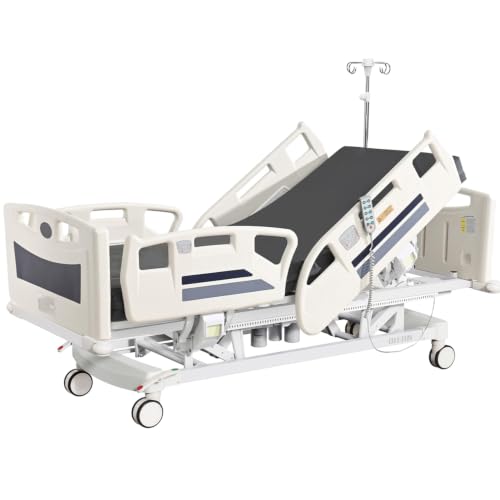
- 5-function powered adjustment for easier positioning
- 550 lb capacity with siderails and locking casters
- Includes 4.7-inch waterproof memory foam mattress
Best For: Families needing a hospital-grade adjustable bed for home recovery or senior care.
Best for Safe Patient Transfers
Vive Gait Belt 350lb Transfer Belt

- 7 padded handles for multi-angle support
- 350 lb capacity with reinforced nylon webbing
- Adjusts up to 51 inches and uses a quick-release buckle
Best For: Caregivers helping elderly, bariatric, or mobility-limited people with transfers.
Best Lightweight Pick
MDF Acoustica Lightweight Stethoscope

- Lightweight aluminum build for comfortable daily use
- Dual-head design with true bell and diaphragm
- Includes extra tips, replacement diaphragm, and lifetime warranty
Best For: Nurses, students, and home caregivers needing a dependable lightweight stethoscope.
Best for Turning Assistance
UdaCa Electric Rotating Nursing Bed

- 90° turn helps with easier bed entry and exit
- Electric lift supports more comfortable caregiving
- Adjustable backrest and leg rest add positioning support
Best For: Seniors and caregivers who need assisted transfers and flexible positioning at home.
Best CPR Kit for Home Emergencies
Adult and Infant CPR Mask Combo Kit

- Adult and infant masks for broader emergency readiness
- One-way valves and gloves help support safer use
- Portable red pouch is easy to stash in a kit or bag
Best For: Caregivers and households wanting a compact CPR barrier kit for emergencies.
Best for Safer Transfers
Rotating Hospital Bed for Home Care

- 90° electric rotation eases getting in and out of bed
- Fully electric positions support care, rest, and rehab
- 550 lb capacity with rails, casters, and quiet motor
Best For: Seniors and caregivers who need easier, safer transfers at home.
Best for Safe Repositioning
Bed Positioning Pad with Reinforced Handles

- Eight reinforced handles improve control during turns and lifts
- Waterproof, reusable nylon helps protect bedding
- Machine-washable design supports regular home use
Best For: Caregivers who need a reusable pad for safer bed repositioning and transfers.
Best for Assisted Transfers

- 90° rotation helps with safer bed-to-chair movement
- Independent backrest, leg, and tilt adjustments
- 550 lb capacity with mattress, rails, and lockable casters
Best For: Seniors, post-op patients, and disabled users who need safer transfers and frequent repositioning at home.
Best for ICU-Style Adjustability – Full Electric ICU Bed with Mattress
If you need home nursing equipment that feels closer to a true clinical setup, this full electric ICU-style bed brings a lot of hospital-grade functionality into the home. It combines powered height, backrest, and legrest adjustment with safety-focused side rails and a supportive mattress, making daily care easier for both patients and caregivers.
Best For: Seniors, post-surgery recovery, and long-term home care situations that need frequent repositioning and easier caregiver access.
Pros:
- 5-function electric adjustment includes height, backrest, legrest, Trendelenburg, and CPR recovery.
- Heavy-duty 550 lb capacity with foldable side rails and central locking casters for stability.
- Comes with a 4.7-inch waterproof memory foam mattress for added comfort and easy cleaning.
- 95% pre-assembled design can reduce setup hassle compared with more complex medical beds.
Cons:
- Large footprint may be too bulky for smaller rooms.
- More advanced than many households need, so it may be overkill for light-duty use.
- Higher-spec design likely puts it at the expensive end of home care options.
For buyers comparing home nursing equipment, this bed stands out for its mix of patient positioning range, emergency-ready CPR function, and caregiver-friendly access. It is a strong fit when comfort, safety, and clinical-style adjustability matter more than portability or simplicity.
Best for Spot Checks – Zacurate Pro Series 500DL Pulse Oximeter
The Zacurate Pro Series 500DL is a simple, portable fingertip pulse oximeter that fits well into basic home nursing equipment setups for quick oxygen saturation and pulse checks. It includes a silicone cover, batteries, and a lanyard, making it easy to keep nearby for routine monitoring at home or on the go.
Best For: Caregivers, patients, and households that need a fast, easy-to-use spot-check monitor for oxygen and pulse readings.
Pros:
- Includes silicone cover, batteries, and lanyard for immediate use
- Compact fingertip design is easy to store and carry
- Good fit for quick routine checks at home
Cons:
- Not a substitute for professional medical monitoring
- Requires steady placement for the most reliable readings
For shoppers building practical home nursing equipment, this model offers a straightforward, no-fuss way to track oxygen saturation without adding complexity. It’s best when you want a portable spot-check tool rather than a feature-heavy monitor.
Best for Full-Featured Home Care – 5-Function Electric ICU Bed
If you need serious home nursing equipment for long-term recovery or elder care, this electric ICU-style bed packs the core functions caregivers look for: powered height, backrest, and legrest adjustment, plus Trendelenburg support and a waterproof memory foam mattress. It is designed to make daily positioning easier while giving the patient a more hospital-like level of comfort and safety at home.
Best For: Families caring for seniors or recovering patients who want a highly adjustable, hospital-grade bed for home use.
Pros:
- 5-function electric control with back, leg, and height adjustment
- Supports up to 550 lbs with sturdy siderails and locking casters
- Includes a 4.7-inch waterproof memory foam mattress
- CPR one-click recovery and Trendelenburg positioning add clinical flexibility
Cons:
- Bulky and heavy compared with standard home-care beds
- More bed than many casual or short-term users need
- Requires enough space for safe caregiver access and movement
For buyers comparing home nursing equipment, this model stands out for its combination of adjustability, load capacity, and emergency-friendly features. It is a strong fit when comfort, safety, and caregiver convenience matter more than keeping the setup simple.
Best for Safe Patient Transfers – Vive Gait Belt 350lb Transfer Belt
If you need practical home nursing equipment for helping someone stand, walk, or move from bed to chair, this gait belt is built for controlled support. The 4-inch-wide nylon webbing, 7 padded handles, and 350 lb capacity make it a solid choice for caregivers who want better grip and less strain.
Best For: Caregivers assisting elderly, bariatric, or mobility-limited patients during transfers and short walks.
Pros:
- 7 padded handles offer flexible grip points from multiple angles
- Supports up to 350 lbs with reinforced stitching and a metal buckle
- Adjusts up to 51 inches for a broad fit range
- FSA/HSA eligible and ADA compliant
Cons:
- Useful for transfers, but not a replacement for a full mobility aid
- May feel bulky for users who only need light support
For home nursing equipment focused on safer day-to-day transfers, this belt stands out for its combination of comfort, strength, and caregiver-friendly handling. It is especially appealing if you want a simple tool that can reduce fall risk without adding much setup or complexity.
Best Lightweight Pick – MDF Acoustica Lightweight Stethoscope
If you need reliable home nursing equipment for basic auscultation, the MDF Acoustica is a practical pick. It’s lightweight, dual-head, and built to deliver clear heart, lung, bowel, and blood-pressure sounds without feeling bulky during longer use.
Best For: Nurses, students, home health aides, and caregivers who want a lightweight, all-purpose stethoscope for everyday home and clinical checks.
Pros:
- Lightweight aluminum construction makes it comfortable for regular use.
- Dual-head chestpiece with true bell and diaphragm for low- and high-frequency sounds.
- Includes multiple eartip sizes, an extra diaphragm, and a lifetime warranty.
- Latex-free design and durable tubing suit repeated home or clinical use.
Cons:
- Not a specialty stethoscope for advanced cardiology or pediatrics.
- Premium features may be more than casual users need.
For buyers comparing home nursing equipment, this model stands out for balancing comfort, acoustic clarity, and long-term value. It’s a solid everyday stethoscope if you want something dependable for routine assessments at home or on the go.
Best for Turning Assistance – UdaCa Electric Rotating Nursing Bed
If you need home nursing equipment that makes transfers and repositioning easier, this rotating nursing bed is built around accessibility. The electric lift, adjustable backrest and leg rest, and 90° turning design are aimed at reducing strain during daily care and helping users get in and out of bed with less effort.
Best For: Seniors, disabled users, and caregivers looking for a bed that supports assisted entry, repositioning, and day-to-day home care.
Pros:
- 90° turning function helps with safer, easier bed entry and exit
- Electric height adjustment supports more comfortable caregiving
- Backrest and leg rest adjustments improve positioning for rest or recovery
- Useful for home care setups where mobility support matters
Cons:
- Large footprint may not suit smaller bedrooms
- More advanced than a standard bed, so setup and use may take practice
- Rotation direction is fixed to the right on this model
For buyers comparing home nursing equipment, this model stands out for reducing manual effort during transfers and positioning. It is most compelling when mobility support and caregiver convenience matter more than compact size or simplicity.
Best CPR Kit for Home Emergencies – Adult and Infant CPR Mask Combo Kit
If you want a compact addition to your home nursing equipment, this CPR mask combo kit covers the basics for emergency response without taking up much space. It includes adult and infant masks, disposable one-way valves, gloves, and alcohol prep pads in a portable red pouch, making it easy to keep in a first aid bag, car, or bedside kit.
Best For: Caregivers, first responders, and households that want a simple CPR barrier kit for adults and infants.
Pros:
- Includes adult and infant CPR masks for more flexible emergency use
- One-way valves and gloves help reduce cross-contamination risk
- Portable pouch makes it easy to store in a home, car, or bag
- Useful for CPR training on mannequins as well as real-world preparedness
Cons:
- Not a full first aid kit; it only covers CPR barrier essentials
- Better suited as a backup emergency item than for everyday medical tasks
For home nursing equipment, this is a practical preparedness add-on rather than a primary care tool. It’s a smart choice if you want a lightweight CPR kit that’s easy to grab quickly and suitable for both adult and infant emergencies.
Best for Safer Transfers – Rotating Hospital Bed for Home Care
If you’re comparing home nursing equipment for a loved one who needs frequent repositioning, this fully electric rotating bed stands out for reducing lift strain and making bed exits easier. The 90° turning seat, adjustable backrest, and leg lift functions support daily care routines while helping improve comfort and pressure relief.
Best For: Seniors, post-surgery patients, and long-term care users who need safer transfers and easier caregiver assistance at home.
Pros:
- 90° electric rotation helps users sit up and transfer more safely
- Fully electric backrest, leg lift, and lateral tilt support daily care and comfort
- 10cm foam mattress and removable cover add comfort and easier cleaning
- 550 lb capacity, safety rails, and lockable casters improve stability
Cons:
- Large footprint may be too bulky for smaller rooms
- Higher-end feature set makes it a more expensive home care option
As home nursing equipment, this bed is especially compelling when safe transfers and frequent positioning changes matter more than a standard adjustable bed. The wood-finished shell also helps it feel less clinical, which can be a meaningful comfort upgrade in a home setting.
Best for Safe Repositioning – Bed Positioning Pad with Reinforced Handles
If you need practical home nursing equipment for turning, lifting, or repositioning a bedridden loved one, this padded transfer sheet is built to make daily care easier. The 48" x 40" nylon pad includes eight reinforced handles for better grip, and the waterproof, washable design adds convenience during routine use.
Best For: Caregivers who want a reusable positioning pad that helps with safer bed turns, sits, and transfers at home.
Pros:
- Eight reinforced handles help caregivers lift and turn with more control
- Waterproof nylon fabric helps protect bedding during accidents
- Machine-washable and reusable for ongoing home care
- Large 48" x 40" size suits repositioning tasks in bed
Cons:
- Designed for assistance, not as a full transfer device
- No extra padding or cushioning for pressure relief
- May feel bulky for very small beds or tight spaces
Overall, this is a simple, functional addition to home nursing equipment when the priority is safer handling and easier repositioning rather than extra comfort features. It stands out for its handle layout, washable build, and practical waterproof protection.
Best for Assisted Transfers – Rotating Electric Nursing Bed
If you need home nursing equipment that makes repositioning and getting in or out of bed easier, this rotating electric nursing bed is built for that exact job. The 90° turn-to-chair function, adjustable backrest, leg lift, and lateral tilt give caregivers more control while helping reduce strain and fall risk.
Best For: Seniors, post-op patients, and disabled users who need safer transfers and frequent position changes at home.
Pros:
- 90° electric rotation helps with assisted sitting, standing, and safer transfers.
- Independent backrest, leg, and lateral tilt adjustments support comfort and pressure relief.
- 550 lb capacity with lockable casters, safety rails, and a quiet motor.
- Includes a 4-inch mattress and a more home-friendly design than a typical hospital bed.
Cons:
- Higher price and footprint than a basic manual bed frame.
- Assembly and setup may be more involved than standard home bedroom furniture.
This is a strong option if your home nursing equipment needs go beyond simple adjustability and you want a bed that actively helps with transfers and daily care. It is especially appealing for long-term use where comfort, safety, and caregiver ease all matter.
How We Picked the Best Home Nursing Equipment
We focused on equipment that addresses real home-care needs: safety, ease of use, caregiver support, and dependable performance. Priority went to products that can meaningfully reduce lifting risk, improve patient positioning, or help monitor basic health status without adding complexity.
We also considered build quality, adjustability, portability where relevant, and whether each item makes sense for at-home use rather than only in a clinical setting.
Quick Comparison: What Each Type Does Best
Not all Home Nursing Equipment serves the same purpose. Electric nursing beds and rotating beds are best for mobility limitations and long-term comfort. Transfer belts and positioning pads help with turning, standing, and moving a person more safely. Monitoring tools like pulse oximeters and stethoscopes are better suited for routine checks and observation. CPR masks and similar emergency items are most useful as backup safety gear.
Key Buying Factors for Home Nursing Equipment
Safety and Load Support
Check weight ratings, lockability, stability, and whether the product is designed for assisted care. For transfer and bed-positioning products, secure handles and durable materials matter a lot.
Adjustability and Ease of Operation
Look for electric height changes, backrest control, turning assistance, and simple interfaces if the equipment will be used daily. The easier it is to operate, the more likely it will be used correctly.
Comfort and Skin Protection
For beds and repositioning aids, mattress thickness, pressure relief, and smooth movement can make a noticeable difference during extended use.
Caregiver Effort
Good Home Nursing Equipment should reduce physical strain, not create more of it. Tools that assist with transfers, turning, or bedside positioning can help minimize repetitive lifting.
Fit for the Home Environment
Measure doorways, room space, and bed clearances before buying larger equipment. Some advanced beds need more room than a standard bedroom setup.
Who Should Buy Which Home Nursing Equipment?
If you are managing limited mobility or frequent bedside care, a full electric or rotating nursing bed may be the best investment. If you mainly need help with movement and repositioning, a gait belt or reinforced transfer sheet may be enough. For basic monitoring, a pulse oximeter or stethoscope is useful for home health routines. If you want emergency preparedness, add a CPR mask kit to your home care setup.
The best choice depends on the level of care needed, the caregiver’s strength, and how much assistance the person requires each day. In many homes, the most effective setup combines a few well-chosen pieces of Home Nursing Equipment rather than relying on one item alone.