Choosing the right bed alarm for elderly users can make overnight caregiving safer, calmer, and more responsive. The best systems help alert caregivers the moment someone tries to get up, reducing fall risk without adding unnecessary stress.
In this roundup, we focus on practical features that matter most: reliable sensing, alert range, comfort, ease of setup, and whether the alarm is silent, wearable, wired, or wireless.
Best 10 Bed Alarm for Elderly Picks for 2026
Floor-Triggered Early Alert
Wireless Bed Sensor for Elderly Safety
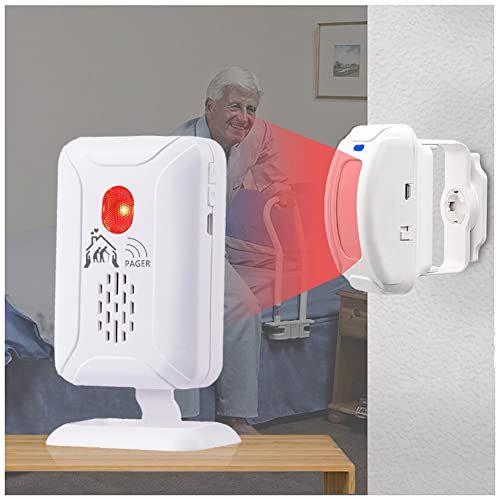
- Detects movement under the bed or at the door
- Caregiver pager works up to 918 ft. in open area
- No in-room alarm; 5 volume levels and LED alert
Best For: Caregivers who want an early-warning bedside alert without noise in the room
Long-Range Wireless Pad
Smart Caregiver Wireless Bed Alarm Kit

- Cordless weight-sensing pad removes the need for wires
- Alerts caregivers from up to 300 feet away
- Can monitor up to six compatible devices
Best For: Caregivers who want a simple wireless pressure-pad alarm with strong range
Quiet Pager Alert System
Lunderg Wireless Bed & Chair Alarm

- Wireless pager alert keeps noise out of the room
- Up to 400 ft. range with no Wi-Fi or app needed
- Volume adjusts or switches to vibration-only mode
Best For: Families and caregivers who want a quiet, portable alarm with simple setup
Wired Pad With Mounting Options

- Wired alarm with bed rail, wall, or flat mounting
- Alarm or music modes with 80 dB to 90 dB volume
- Tear- and water-resistant vinyl pad
Best For: Caregivers who want a wired alarm with flexible mounting and louder alerts
Wireless Early-Alert Bed Alarm
Lunderg Wireless Early Alert System

- Wireless pager sends alerts before bed exit.
- No loud in-room alarm to startle your loved one.
- No Wi‑Fi or app required; easy setup.
Best For: Caregivers who want a discreet wireless early-alert system
Portable Motion-Sensor Bed Alarm

- Floor sensor detects feet touching the ground.
- Vibration and silent modes support quieter care.
- Portable receiver with charging port and multiple ringtones.
Best For: Families wanting a motion-based alert with quiet modes
Classic Weight-Sensing Bed Alarm
Smart Caregiver Bed Alarm System
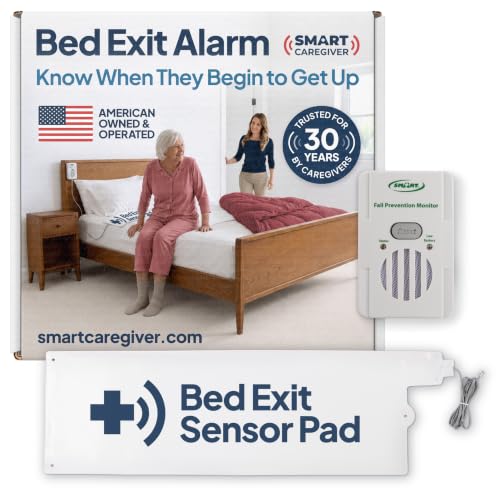
- Weight-sensing pad alarms when pressure is removed.
- Sealed vinyl pad is incontinence resistant and easy to clean.
- Optional wireless add-on is available separately.
Best For: Caregivers who want a simple pad-based alarm with upgrade options
Early-Alert Bed & Chair Coverage
Lunderg Wireless Bed & Chair Alarm Set for Elderly

- Wireless pager alert with no in-room alarm
- Includes both bed pad and chair sensor pad
- Adjustable volume plus vibration mode
Best For: Dementia care with early alerts and chair monitoring
Wireless Bed Exit Monitoring
Smart Caregiver Bed Exit Alarm with Pager

- Weight-sensing pad alerts when pressure is removed
- Pager supports sound or vibration alerts
- Expandable to multiple Smart Caregiver sensors
Best For: Simple wireless bed-exit alerts with expansion options
Extra-Coverage Bed Alarm
Lunderg Large Wireless Bed Alarm System

- Large 20 x 30 pad for extra coverage
- Wireless pager with vibration-only option
- Anti-slip stickers help reduce false alarms
Best For: Restless sleepers needing a larger sensing pad
Floor-Triggered Early Alert – Wireless Bed Sensor for Elderly Safety
If you want a bed alarm for elderly care that alerts you before a loved one fully leaves the room, this wireless motion-sensor system is built for that job. The sensor can be placed under the bed to detect a foot nearing the floor, or near the door to monitor room exits, while sending the alert to a caregiver pager away from the patient room.
Best For: Caregivers who want an early-warning bedside alert without placing noise in the patient’s room.
Pros:
- Wireless motion sensor can be placed under the bed or at the door.
- Pager alerts caregivers up to 918 ft. in open area.
- No in-room alarm, which helps avoid startling the patient.
- Includes 5 volume levels plus LED light alerting.
Cons:
- Requires placement testing to confirm sensing range and direction.
- Uses batteries and setup steps before first use.
This is a practical pick if your priority is catching movement early and keeping the alert at the caregiver side. The dual reminder and dual power supply make it flexible, but correct placement matters for reliable performance.
Long-Range Wireless Pad – Smart Caregiver Wireless Bed Alarm Kit
For a bed alarm for elderly monitoring that uses a cordless pressure pad, this Smart Caregiver kit focuses on dependable weight-sensing alerts. Place the pad under the fitted sheet near the back or buttock area, and the pager monitor notifies you when weight is removed, without sounding in the patient’s room.
Best For: Caregivers who want a long-range wireless bed pad with a simple alert setup.
Pros:
- Wireless monitor can alert from up to 300 feet away.
- Cordless weight-sensing pad helps reduce in-room noise.
- Monitor can handle up to six compatible devices.
- Includes cleaning wipes and a 7-day pill box.
Cons:
- Pad placement under the fitted sheet is needed for proper use.
- Maximum range is shorter than some other wireless options.
This is a straightforward choice if you want a proven pressure-pad style alarm with a clear caregiver-side alert. It is designed for everyday use and keeps the alarm away from the patient, which is helpful for calmer nighttime monitoring.
Quiet Pager Alert System – Lunderg Wireless Bed & Chair Alarm
This bed alarm for elderly care is built around a wireless pager alert, so you can keep the alarm out of the room and avoid a bedside blast. The included 10 x 30-inch sensor pad works with the pager you carry, giving you an alert when your loved one gets up from bed or a chair.
Best For: Families and caregivers who want a quiet, no-app wireless alarm with a portable pager.
Pros:
- Wireless alert goes to a pager you carry, not the patient room.
- Up to 400 ft. range with no Wi-Fi or app required.
- Adjustable volume plus vibration-only mode.
- Includes anti-slip stickers and wipes-clean surface.
Cons:
- Alerts after the person stands up, not before they get out of bed.
- Pad placement and stability matter to avoid false alarms.
If you want a cleaner, quieter monitoring setup, this Lunderg system is a strong fit. It emphasizes dignity, ease of use, and portable alerts, with setup that stays simple because it does not rely on an app or network connection.
Wired Pad With Mounting Options – Patient Aid Bed Alarm
If you need a bed alarm for elderly fall prevention with flexible installation, this Patient Aid system combines a wired device with a 10 x 30-inch motion sensor pad. The device can be mounted on a bed rail, wall, or flat surface, and it alerts when the patient tries to stand.
Best For: Caregivers who want a wired alarm with multiple mounting options and loud alert settings.
Pros:
- Multiple mounting options: bed rail, wall, or flat surface.
- Selectable ring chimes with alarm or music modes.
- Volume settings go from 80 dB to 90 dB.
- Vinyl pad is tear- and water-resistant, foldable, and easy to wipe down.
Cons:
- It is a wired setup, so placement is less flexible than wireless systems.
- Not compatible with patients who have a pacemaker/defibrillator.
This is a practical option if you prefer a direct wired alert and want more mounting flexibility for the main unit. The durable pad and louder sound choices make it better suited to caregivers who want an easy-to-hear signal and a simple, conventional setup.
Wireless Early-Alert Bed Alarm – Lunderg Wireless Early Alert System
If you want a bed alarm for elderly care that alerts you before your loved one is fully out of bed, this Lunderg system is built for that job. It uses a wireless sensor pad and a handheld pager, so you can keep watch without adding a loud in-room alarm that may startle or upset the person you’re caring for.
Best For: Caregivers who want an early-alert wireless bed alarm with a pager they can carry.
Pros:
- Wireless pager alerts you before the person gets out of bed.
- No loud bedside alarm, which helps preserve dignity and reduce agitation.
- Easy setup with no Wi‑Fi, app, or tools required.
- Portable pager offers adjustable volume, vibration, clip, and wall mount options.
Cons:
- Uses a pressure pad, so placement under the mattress area matters for best results.
- More specialized than a simple bedside alarm if you want basic in-room sound only.
Overall, this is a strong pick if you want a discreet bed alarm for elderly dementia care and prefer caregiver-side alerts over an audible alarm in the room. Its early-alert design, included batteries, and long-range pager make it practical for home use.
Portable Motion-Sensor Bed Alarm – CallToU Bed Exit Monitor
This bed alarm for elderly users relies on a wireless motion sensor placed on the floor beside the bed, so it can detect feet touching the ground before the person fully stands. If you want a flexible alert system with vibration and silent options, this CallToU setup is designed for practical day-and-night monitoring.
Best For: Families who want a portable motion-based bed exit alert with quiet modes.
Pros:
- Motion sensor detects movement before the person is fully standing.
- Offers vibration, silent mode, and adjustable volume with multiple ringtones.
- Portable receiver with Type-C charging makes it easier to move around the house.
- Sensor is designed to reduce false alarms from bed movement or repositioning.
Cons:
- Detection range is listed at 3-10 feet from the sensor, so placement is important.
- Works differently from pad-based systems, which some caregivers may prefer for contact-style sensing.
For caregivers who want an alternative to a pressure-pad alarm, this model stands out for its motion detection and quiet-alert options. It is a useful choice when you want a bedside alert without relying on touch sensors under the mattress.
Classic Weight-Sensing Bed Alarm – Smart Caregiver Bed Alarm System
If you prefer a straightforward bed alarm for elderly adults, this Smart Caregiver system uses a weight-sensing pad that alarms when pressure is removed. It is a practical option for fall prevention at home or in care settings, with an optional wireless add-on kit available separately if you want to alert the caregiver instead of sounding an in-room alarm.
Best For: Caregivers who want a simple weight-sensing bed pad with optional wireless expansion.
Pros:
- Alarms when pressure is removed from the pad.
- Includes a sealed 10″ x 30″ vinyl pad that is incontinence resistant and easy to clean.
- Can be used as an in-room alarm or paired with an optional wireless add-on kit sold separately.
- Monitor includes low-battery and sensor status lights for added confidence.
Cons:
- In-room alarm may be more noticeable than wireless caregiver-side systems.
- Wireless caregiver alerting requires a separate add-on kit.
This is a solid choice if you want a familiar contact-based bed alarm for elderly care with simple operation and a durable sensor pad. It is especially useful when you want a basic system that can later be expanded to wireless alerts.
Early-Alert Bed & Chair Coverage – Lunderg Wireless Bed & Chair Alarm Set for Elderly
If you want a bed alarm for elderly care that alerts you before your loved one is fully out of bed, this Lunderg set is built around that use case. It sends wireless alerts to a pager you carry, avoids an in-room alarm, and includes both a bed sensor pad and a chair sensor pad for broader daily coverage.
Best For: Dementia care and households that want early alerts from both bed and chair monitoring
Pros:
- Early-alert bed pad is designed to notify you before the user gets out of bed.
- Includes both bed and chair sensor pads for more complete monitoring.
- Wireless pager has adjustable volume, vibration mode, clip, and wall mount bracket.
- No Wi-Fi or app required; batteries are included.
Cons:
- Early-alert placement is important to reduce false alarms.
- Bed and chair pads are sized for specific placements rather than full-room coverage.
Overall, this is a practical pick if you want a simpler alert setup with both bed and chair sensing in one system. The focus on wireless paging and no in-room blast makes it a strong fit for caregivers who value comfort and quick response.
Wireless Bed Exit Monitoring – Smart Caregiver Bed Exit Alarm with Pager
This bed alarm for elderly users is aimed at straightforward bed-exit monitoring with a wireless pager. The soft 10″ x 30″ pad uses weight sensing and alerts caregivers when pressure is removed, while the pager can sound or vibrate depending on your preference.
Best For: Caregivers who want a simple wireless bed-exit alert with expandable sensor options
Pros:
- Wireless bed pad alerts when pressure is removed from the mattress.
- Pager offers both vibrate and sound alert options.
- Can expand to support up to six Smart Caregiver sensors.
- U.S.-based company with customer support and a 1-year warranty.
Cons:
- Designed to alert when the user gets up, not before they rise.
- Best fit depends on careful pad placement to help reduce false alarms.
For buyers who want a dependable bed-exit alarm with room to expand into other sensors, this system keeps the setup focused and practical. It is a solid option if you want wireless alerts without extra app or network complexity.
Extra-Coverage Bed Alarm – Lunderg Large Wireless Bed Alarm System
If you need a bed alarm for elderly sleepers who move around a lot, this larger Lunderg system is built for extra pad coverage. It uses a 20″ x 30″ sensor pad and sends wireless alerts to a handheld pager, with no Wi-Fi or app required.
Best For: Restless sleepers who need a larger bed pad and simple wireless alerts
Pros:
- Large 20″ x 30″ pad offers extra coverage for restless sleepers.
- Wireless pager provides adjustable volume and vibration-only mode.
- Anti-slip stickers help keep the pad in place and reduce false alarms.
- Includes batteries, clip, wall mount bracket, and support from a real-person team.
Cons:
- Alerts when the user is up, rather than before they leave the bed.
- Larger pad may be more than you need for calmer sleepers.
This is a sensible choice when pad coverage matters more than a smaller footprint. It keeps the setup wireless and simple while giving you a bigger sensing area for active sleepers.
How We Picked the Best Bed Alarm for Elderly
We looked for Bed Alarm for Elderly systems that balance dependable detection with easy daily use. Priority went to products with consistent bed-exit sensing, clear caregiver alerts, flexible volume or vibration settings, and setups that suit both home and facility use. We also favored options that minimize noise in the patient room when possible, since a quieter system can reduce confusion and agitation.
Quick Comparison
The right choice depends on how you want to be alerted. Wireless monitor-based systems are convenient for caregivers who move around the house. Wired alarms can be simple and dependable in a fixed room. Early-alert models are best when you want notice before the person fully stands up, while standard bed-exit alarms are a better fit if you mainly need an alert at the moment of movement.
Key Buying Factors for Bed Alarm for Elderly
Sensing Type
Weight-sensing pads are common because they detect when a person leaves the bed. Motion-sensor systems can warn earlier, but placement and sensitivity matter more. Choose the type that best matches the person’s mobility and risk level.
Alert Style
Consider where the alarm should sound. Some systems use a loud in-room alarm, while others send a signal to a caregiver pager or remote monitor. For dementia care or light sleepers, silent or remote alerts are often preferable.
Range and Portability
If caregivers are not always in the same room, a wireless pager with dependable range is important. Portable receivers are especially useful in larger homes or when monitoring multiple areas.
Comfort and Placement
Look for a pad size and placement style that fits the mattress and user movement. For restless sleepers, a larger coverage area may help improve consistency.
Setup and Maintenance
The best Bed Alarm for Elderly use should be simple to install, easy to reset, and straightforward to test. Battery life, cable management, and replacement parts all affect long-term convenience.
Who Should Buy Which Bed Alarm for Elderly?
If you want the simplest setup for a single room, a basic wired bed-exit alarm can be a practical choice. If you need quieter overnight monitoring, a wireless system with a pager or remote monitor is usually better. For users with dementia or wandering risk, early-alert models can give caregivers more reaction time. If the sleeper is particularly active, look for a larger pad or a system designed for restless movement.
In the end, the best Bed Alarm for Elderly care is the one that matches the person’s mobility, the caregiver’s routine, and the level of response time needed.