Experienced lifters need more than a bar that simply holds plates. Knurling, shaft stiffness, sleeve rotation, load capacity, and the right plate standard can all affect performance and long-term value.
We compared 10 barbells and weight-set options across Olympic, powerlifting, standard, and home-gym categories to help you choose equipment that matches your training style, space, and budget.
Best 10 Barbells for Experienced Lifters Picks for 2026
Elite Load Bar

- 1,500-pound listed capacity and 205,000 PSI tensile strength
- 28mm knurled shaft with 16.4-inch Olympic sleeves
- Needle bearings and bushing support smooth sleeve rotation
Best For: Heavy strength training and Olympic-style lifts
Standard Strength Pick
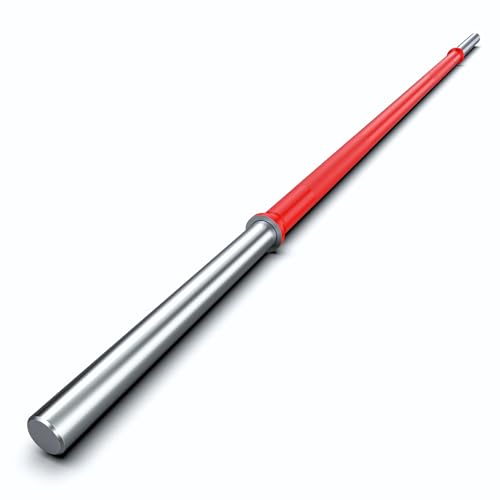
- 350-pound listed capacity for home strength training
- Fits 1-inch plates and measures 72 inches long
- Heat-treated alloy steel with diamond-textured knurling
Best For: Standard-plate home gyms and conventional strength exercises
Controlled Rotation Bar

- 1,000-pound listed capacity with 190,000 PSI tensile strength
- Hybrid needle bearings and brass bushings aid rotation
- 28mm volcano knurl with IWF and IPF grip marks
Best For: Versatile Olympic-bar training with repeatable setup
Compact Training Bar

- 60-inch straight bar for compact home-gym setups
- Diamond knurling supports a secure grip
- Includes star-lock collars for plate stability
Best For: Space-conscious standard-plate strength training
Heavy-Duty Power Pick
Professional Powerlifting Barbell

- 205,000 PSI tensile strength and 2,000-pound stated capacity
- Aggressive 1.5 mm volcano knurling
- Bronze bushings with smooth sleeve rotation
Best For: Experienced powerlifters focused on heavy squat, bench, and deadlift work
Versatile Training Choice

- 500-pound stated capacity for strength training
- Center and volcano-style knurling
- Bronze-bushing Olympic sleeves
Best For: Home-gym lifters wanting a versatile 2-inch Olympic bar
Compact Standard-Plate Option
Amazon Basics 60in Straight Barbell

- 60-inch length suits compact home gyms
- Fits standard 1-inch weight plates
- 250-pound stated capacity
Best For: Moderate training with standard plates in smaller spaces
Best with Extra Features

- 500-pound capacity for progressive loading
- Rotating bronze-bushing sleeves
- Center knurl and 2-inch Olympic sleeves
Best For: Home-gym strength training and general-purpose lifting
Complete Heavyweight Setup

- 260 pounds of plates included
- 45-pound bar rated to 500 pounds
- Rubber-coated plates and collars included
Best For: Complete home-gym setups and varied full-body training
Compact Starter Set
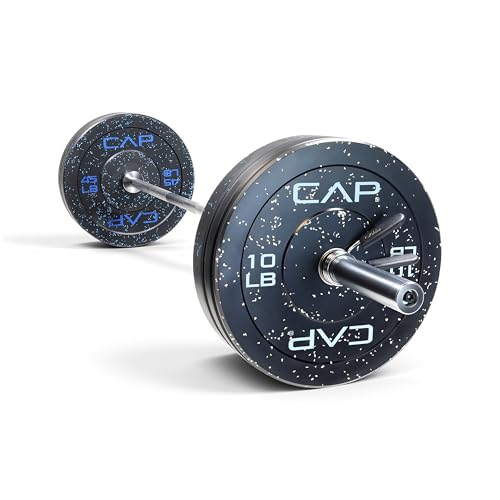
- 160 pounds of plates included
- 45-pound bar with 500-pound capacity
- Rubber-coated plates and collars included
Best For: Moderate home-gym loading and compact setups
Elite Load Bar – Heavy-Duty Olympic Barbell
For experienced lifters seeking barbells for experienced lifters, this 7-foot Olympic bar emphasizes high load capacity, a 28mm grip, and smooth sleeve rotation. Its 205,000 PSI tensile strength and 1,500-pound listed capacity suit demanding strength sessions.
Best For: Heavy squats, deadlifts, bench presses, and Olympic-style lifts in a home or professional gym.
Pros:
- Heat-treated alloy-steel construction with a hard-chrome finish.
- 28mm shaft and medium-depth knurling provide a secure, balanced grip.
- Four needle bearings and a bushing per sleeve support rapid rotation.
- 16.4-inch loadable sleeves fit standard 2-inch Olympic plates.
Cons:
- Its 44-pound weight may not match every lifter’s preferred bar standard.
- Olympic plates are required; standard 1-inch plates will not fit.
This is the strongest capacity option in the group and a versatile choice for experienced lifters who want one Olympic bar for both heavy strength work and dynamic lifts.
Standard Strength Pick – 350LB Standard Barbell
This 6-foot standard bar is a practical option among barbells for experienced lifters who train with 1-inch plates. Its solid, heat-treated alloy-steel construction and 350-pound listed capacity cover common pressing, squatting, and curling movements.
Best For: Home-gym strength work using 1-inch plates, including bench presses, squats, overhead presses, and curls.
Pros:
- Supports up to 350 pounds according to the supplied specifications.
- Heat-treated steel is designed to resist corrosion and oxidation.
- Diamond-textured knurling helps maintain grip during sweaty sessions.
- At 15 pounds and 72 inches long, it is lighter than the Olympic bars listed here.
Cons:
- Its 1-inch plate fit is less compatible with Olympic plates.
- The 350-pound capacity is lower than the Olympic bars in this roundup.
Choose this bar if your existing setup uses standard plates and your training does not require Olympic sleeves or the higher capacities of a full-size Olympic bar.
Controlled Rotation Bar – 1000LB Olympic Barbell
Experienced lifters comparing barbells for experienced lifters may appreciate this 7-foot Olympic bar’s balance of strength and controlled movement. It combines a 1,000-pound listed capacity with hybrid needle bearings, brass bushings, and a 28mm volcano-knurled grip.
Best For: Lifters who want one 45-pound Olympic bar for squats, deadlifts, presses, rows, and Olympic-style movements.
Pros:
- 190,000 PSI tensile strength and a 1,000-pound listed capacity.
- Four hybrid needle bearings and brass bushings support sleeve rotation.
- Volcano knurling provides tactile feedback without a center knurl.
- Dual IWF and IPF marks help with repeatable hand placement.
Cons:
- The bar does not include plates.
- Loaded contact with the floor can still be noisy despite the bearing system.
- Rack compatibility should be checked against its 51.6-inch shaft measurement.
This is a well-rounded Olympic option for advanced training, particularly if you value clear grip references and a smooth but controlled sleeve feel across varied movements.
Compact Training Bar – Standard Straight Barbell
This 60-inch standard straight bar offers a simpler setup for barbells for experienced lifters who already use 1-inch plates or want a compact home-gym bar. Diamond knurling and included star-lock collars support basic stability across strength movements.
Best For: Compact home workouts involving bench presses, squats, and general strength training with compatible standard plates.
Pros:
- 60-inch length suits space-conscious home training areas.
- Diamond-knurled handles provide a non-slip gripping surface.
- Star-lock collars are included to help keep weights from sliding.
- Compatible with various weight plates for adjustable training.
Cons:
- The supplied notes do not specify the bar’s weight capacity.
- It is a standard bar, so plate compatibility differs from Olympic bars.
- The notes do not provide detailed sleeve or bearing specifications.
Its shorter format and included collars make it convenient for straightforward home strength work, but lifters demanding documented high-load specifications may prefer one of the Olympic options.
Heavy-Duty Power Pick – Professional Powerlifting Barbell
For experienced lifters seeking barbells for experienced lifters, this 45-pound power bar is built around heavy squats, bench presses, and deadlifts. Its 205,000 PSI tensile strength, 2,000-pound stated capacity, stiff alloy-steel construction, and aggressive volcano knurling favor serious powerlifting work.
Best For: Experienced powerlifters training the squat, bench press, and deadlift with heavy loads.
Pros:
- 205,000 PSI tensile strength and a stated 2,000-pound maximum capacity
- Highly aggressive 1.5 mm volcano knurling for a secure grip
- Bronze bushings and 16-inch sleeves support smooth rotation
- Hard chrome finish helps protect the shaft and sleeves over time
Cons:
- Aggressive knurling may feel too sharp for some users
- Its powerlifting-focused stiffness is less suited to lifters seeking a more flexible bar
- May be more bar than needed for general home-gym training
This is the strongest match of the three for advanced strength work. Choose it when grip intensity, stiffness, and high-load powerlifting performance matter more than a forgiving feel.
Versatile Training Choice – CAP 35lb Olympic Barbell
This 35-pound Olympic bar offers a practical middle ground for barbells for experienced lifters who also want a versatile home-gym setup. It supports up to 500 pounds, fits standard 2-inch Olympic plates, and combines center knurling with bronze-bushing sleeves for controlled strength-training movements.
Best For: Home-gym lifters who want one Olympic bar for squats, presses, rows, deadlifts, and general strength training.
Pros:
- 500-pound stated capacity for progressive strength training
- Volcano knurling provides grip without excessive sharpness
- Center knurl helps secure the bar during squats
- Rotating bronze-bushing sleeves support smoother bar control
Cons:
- Its 100,000 PSI tensile strength and 500-pound capacity are below the first bar’s specifications
- The 35-pound weight may not match lifters who specifically prefer a standard 45-pound bar
- Only a 30-day manufacturer warranty is listed
Although the manufacturer positions it for beginner-to-intermediate goals, its Olympic compatibility and useful 500-pound capacity can suit experienced lifters who prioritize versatility over a specialized power bar.
Compact Standard-Plate Option – Amazon Basics 60in Straight Barbell
For experienced lifters working with a compact home setup, this 60-inch standard bar is a straightforward option among barbells for experienced lifters. It accepts 1-inch plates, weighs 13.4 pounds, and has a 250-pound stated capacity, making it better suited to moderate loading than advanced Olympic-bar work.
Best For: Home-gym users who already own standard 1-inch plates and need a shorter bar for moderate strength training.
Pros:
- Compact 60-inch length for smaller training spaces
- Compatible with standard 1-inch weight plates
- Knurled grip zones provide a more secure hold
- Chrome-finished alloy-steel construction
Cons:
- 250-pound stated capacity is limited for advanced heavy lifting
- It does not fit 2-inch Olympic plates
- Its 13.4-pound bar weight differs substantially from a standard 45-pound Olympic bar
This bar makes sense only if compact dimensions and standard plates are priorities. Experienced lifters handling heavier loads will likely find its capacity and 1-inch format restrictive.
Best with Extra Features – CAP Olympic Barbell
For experienced lifters building a home gym, this 7-foot Olympic barbell offers a practical combination of load capacity, rotating sleeves, and familiar 30 mm knurling. Its 500-pound capacity and compatibility with standard 2-inch Olympic plates make it suitable for progressive strength work, though its specifications are positioned toward beginner-to-intermediate goals rather than specialized competition lifting.
Best For: Home-gym lifters who need a versatile bar for squats, bench presses, deadlifts, rows, and general strength training.
Pros:
- 500-pound maximum capacity supports progressive loading.
- Bronze bushing sleeves provide smooth rotation during lifts.
- Volcano-style knurling and center knurl support grip and squat-bar control.
- Fits standard 2-inch Olympic plates and common racks and benches.
Cons:
- Its stated positioning is better suited to beginner-to-intermediate goals than highly specialized experienced-lifter demands.
- At 35 pounds, it is lighter than a standard 20 kg Olympic bar.
This CAP bar is a sensible all-purpose option for experienced lifters who prioritize home-gym versatility and controlled daily training over competition-specific bar characteristics.
Complete Heavyweight Setup – CAP 260 lb Olympic Set
Experienced lifters who want plates and a bar in one purchase may prefer this 260-pound Olympic set. It includes a 45-pound, 7-foot bar rated for up to 500 pounds, bumper-style plates in several increments, and spring collars for a ready-to-train home-gym setup.
Best For: Lifters assembling a complete home gym for squats, deadlifts, bench presses, Olympic lifts, and progressive full-body training.
Pros:
- Includes a 45-pound, 20 kg-style 7-foot Olympic bar and 260 pounds of plates.
- Plate selection includes pairs from 10 to 45 pounds for varied loading.
- Rubber-coated plates with steel inserts help protect floors and equipment.
- Rotating sleeves and included spring collars add practical training convenience.
Cons:
- The bar has no knurling, which may provide less grip feedback for some experienced lifters.
- The 54,000 PSI tensile rating is more modest than many performance-focused bars.
- The set may not provide enough total weight for advanced long-term strength targets.
This is the most convenient choice of the group for starting or expanding a complete setup, but experienced lifters with higher loads or specialized bar preferences may eventually want additional plates or a more performance-oriented bar.
Compact Starter Set – CAP 160 lb Olympic Set
This 160-pound Olympic set gives experienced lifters a compact way to add a basic bar-and-plate setup to a home gym. The included 45-pound bar supports up to 500 pounds, while the smaller plate selection keeps the package focused on foundational strength work and space-conscious training.
Best For: Home-gym users who want an economical Olympic set for moderate loading, technique practice, and general strength workouts.
Pros:
- Includes a 45-pound, 7-foot Olympic bar with a 500-pound stated capacity.
- Rubber-coated plates have steel inserts and a uniform diameter for consistent lifting mechanics.
- Two Olympic spring collars are included.
- Plate configuration offers 10-, 25-, and 45-pound pairs for straightforward loading.
Cons:
- At 160 pounds total, the set offers less room for heavy progressive loading than the 260-pound version.
- The bar has no knurling.
- The 54,000 PSI tensile rating may be less appealing for demanding specialized lifting.
This set is a practical entry point for experienced lifters who need a secondary or space-efficient setup, but its limited plate total makes it less suitable as a complete long-term system for high-volume, high-load training.
How We Picked the Best Barbells for Experienced Lifters
We focused on the specifications that matter most once basic lifting experience is established: bar diameter, plate compatibility, stated weight capacity, knurling, sleeve design, finish, and intended use. We also considered whether each option suits powerlifting, Olympic lifting, general strength work, or a home gym with limited equipment.
Because product listings vary in detail, treat stated capacity and dimensions as manufacturer claims and confirm the specifications before ordering. A bar designed for 2-inch Olympic plates is not interchangeable with a standard 1-inch bar.
Quick Comparison
| Type | Best For | Key Consideration |
|---|---|---|
| Power bar | Heavy squats, bench press, and deadlifts | Stiff shaft and pronounced knurling |
| Olympic bar | General strength and dynamic lifts | Rotating sleeves and moderate knurling |
| Standard bar | Light home-gym training | Uses 1-inch plates and usually supports less weight |
| Weight set | New or expanding home gyms | Includes plates but may limit future loading |
Key Buying Factors for Barbells for Experienced Lifters
Choose the Correct Plate Standard
Olympic bars use 2-inch plates and are generally the better choice for serious progressive training. Standard bars use 1-inch plates and can be practical for lighter home workouts, but their lower capacity and narrower sleeves may become limiting.
Match the Bar to Your Lifts
Power bars typically have a stiff shaft and aggressive knurling for secure positioning during squats, bench presses, and deadlifts. Olympic-style bars usually provide more sleeve rotation, which is useful for cleans, snatches, and other explosive movements. A general-purpose bar balances these traits.
Assess Knurling, Diameter, and Finish
A 28mm shaft is common for Olympic lifting, while power bars are often thicker and stiffer. Aggressive knurling can improve grip but may feel harsh during high-volume work. Chrome and other protective finishes help resist corrosion, though regular cleaning and dry storage still matter.
Check Capacity and Construction
Look beyond an impressive weight rating. Sleeve attachment, bearing or bushing design, shaft stiffness, and warranty support also affect durability. If you lift near the bar’s limit, prioritize a reputable power bar with clearly documented specifications.
Who Should Buy Which Barbells for Experienced Lifters?
Choose a powerlifting bar if your program centers on the squat, bench press, and deadlift and you value a firm, predictable bar. Choose an Olympic bar for varied strength training or lifts requiring smoother sleeve rotation. A standard bar is best for lighter training when you already own compatible 1-inch plates. If you are outfitting a gym from scratch, one of the complete Olympic sets can be more convenient than buying a bar and plates separately.
For most experienced lifters, an Olympic-size bar with dependable construction offers the broadest usefulness. Prioritize fit with your existing plates, then select knurling and sleeve behavior based on the lifts you perform most often.