Circuit training demands equipment that supports quick transitions between pulling, pushing, hanging, and core movements. The right pull-up bar can make those workouts more efficient without requiring a full commercial gym setup.
Our selection includes freestanding power towers, no-drill doorway bars, and fixed-mount designs to suit different spaces, budgets, and training styles. Use the guide below to match the format, stability, and weight capacity to your routine.
Best 10 Pull Up Bars for Circuit Training Picks for 2026
Best Foldable Power Tower

- 350-pound stated capacity
- Folds for easier storage
- 11 height adjustment levels
Best For: Space-conscious home circuit training
Best Compact Beginner Station

- Compact 9.4-square-foot footprint
- Pull-ups, dips, and knee lifts
- Six adjustable height levels
Best For: Beginner home circuits in limited space
Best Full-Body Power Tower
SPORTSROYALS Free Standing Pull Up Bar

- 10-in-1 exercise variety
- 360-pound stated load capacity
- Eight height settings and padded supports
Best For: Versatile full-body home circuits
Best Doorway Multi-Grip Bar
KAKICLAY 2026 Upgrade Pull Up Bar

- Multiple grip positions
- Suspension straps included
- 440-pound stated capacity
Best For: Compact doorway-based circuits
Best Overall
RELIFE Free-Standing Power Tower

- 400-pound capacity with stability features
- Nine height settings for different users
- Supports pull-ups, dips, rows, and knee raises
Best For: Versatile family circuit training at home
Best Doorway Pick
Sportneer No-Drill Doorway Pull-Up Bar

- No-drill design for space-saving workouts
- 440-pound stated maximum capacity
- Fits solid wood frames 29.5–37 inches wide
Best For: Compact, pull-up-focused circuit training
Best Foldable Option
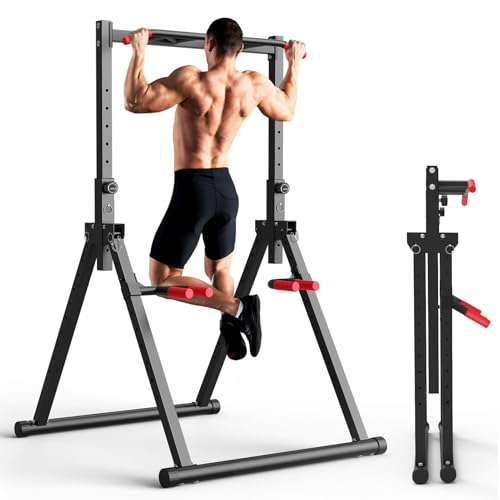
- Foldable triangular frame for easier storage
- 440-pound capacity with 10 height settings
- Five grips and multiple dip/push-up positions
Best For: Versatile, high-intensity home circuits
Best Joist-Mounted Option
Fitarc Joist Mount Pull Up Bar
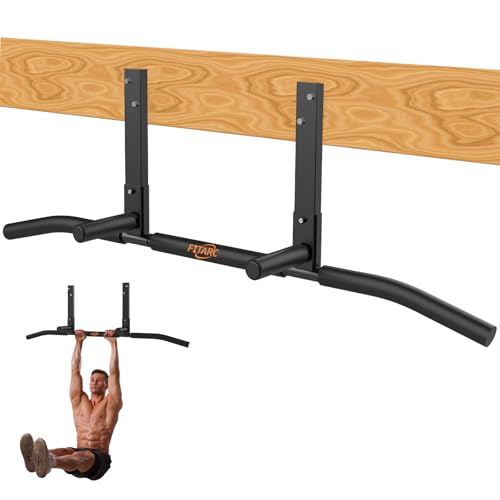
- Joist-mounted, space-saving design
- Padded multiple-grip handles
- 440-lb maximum weight recommendation
Best For: Permanent home gym setups with suitable wooden beams
Best Freestanding Station

- Three-in-one pull-up, dip, and push-up station
- 10 adjustable height positions
- Includes two assistance resistance bands
Best For: Shared home circuits and beginner-friendly progression
Best Portable Choice
Ally Peaks Doorway Pull Up Bar

- Removable, no-screw doorway installation
- Supports pull-ups, dips, push-ups, and crunches
- 440-lb maximum weight recommendation
Best For: Compact home or office circuits with a compatible doorway
Best Foldable Power Tower – YYJO Foldable Pull Up Bar
For circuit training, the YYJO combines pull-ups, dips, leg raises, and other bodyweight movements in one freestanding station. Its foldable triangular frame, adjustable height, and 350-pound capacity make it a practical option for varied home workouts where storage space matters.
Best For: Home users who want a foldable, adjustable station for full-body circuit training.
Pros:
- Foldable design helps reduce storage demands after training.
- Supports up to 350 pounds with a heavy-duty carbon-steel frame.
- Offers 11 height settings from 68.9 to 82.68 inches.
- Includes pull-up, dip, leg-raise, and other exercise options.
Cons:
- Requires floor space for its freestanding footprint.
- Minimal assembly is still required.
- The supplied dimensions may not suit every room or user height.
The YYJO is a versatile choice for circuits that alternate upper-body pushing, pulling, and core exercises. Its foldable frame is particularly useful when the station must be put away between sessions.
Best Compact Beginner Station – Z ZHICHI Pull-Up Dip Station
The Z ZHICHI pull-up dip station is designed for straightforward home circuit training, with pull-ups, chin-ups, push-ups, knee lifts, and leg-focused movements. Its reinforced frame, compact footprint, and rubber feet support a practical setup for beginners and smaller workout areas.
Best For: Beginners seeking a compact freestanding station for basic upper-body and core circuits.
Pros:
- Reinforced carbon-steel construction is rated for up to 350 pounds in the product highlights.
- Compact 9.4-square-foot footprint fits in several home settings.
- Rubber feet are designed to help protect wood floors from marks.
- Six height settings support different users and exercises.
Cons:
- The listing gives a lower 330-pound maximum recommendation in its specifications.
- Users over 6 feet 3 inches or wider than 19.5 inches are advised to consider a larger station.
- No warranty is listed in the supplied details.
For a beginner-friendly circuit setup, the Z ZHICHI covers essential bodyweight movements without adding excessive equipment. Check the height and width guidance carefully before ordering, especially for taller or broader users.
Best Full-Body Power Tower – SPORTSROYALS Free Standing Pull Up Bar
The SPORTSROYALS power tower is built for circuit training sessions that move between pull-ups, dips, inverted rows, leg raises, and push-ups. Its 10-in-1 exercise design, multiple adjustments, padded support, and stated 360-pound load capacity make it suited to users who want broad exercise variety from one station.
Best For: Families or serious home users wanting a highly adjustable station for full-body circuits.
Pros:
- 10-in-1 design supports a wide range of strength exercises.
- Thickened commercial steel and a pi-shaped base are designed for rigidity and stability.
- Eight height settings accommodate different users.
- Padded, adjustable back and arm supports add comfort during supported movements.
Cons:
- Its broad functionality may require more setup and space than a basic pull-up bar.
- The listing’s footprint wording is unclear, so verify available floor space before purchase.
- Assembly is required despite the described three-step process.
The SPORTSROYALS is the most exercise-diverse option in this group. It makes sense for circuit routines that need frequent transitions between pulling, pushing, rowing, and core movements, provided the available space is sufficient.
Best Doorway Multi-Grip Bar – KAKICLAY 2026 Upgrade Pull Up Bar
The KAKICLAY doorway bar offers a compact approach to pull up bars for circuit training, with multiple grip positions and included suspension straps for added exercise variety. Its foldable design stores quickly, but accurate door-frame measurements and a sound frame are essential before use.
Best For: Renters or space-limited users who want a storable doorway bar for pull-up and suspension circuits.
Pros:
- Multiple angled and close-grip positions support varied pulling exercises.
- Included suspension straps expand circuit-training options.
- Folds for quick storage and includes silicone door protectors.
- Rated for up to 440 pounds and covered by a 24-month warranty.
Cons:
- Fits only doorways 21.65 to 36.22 inches wide with the specified depth and trim limits.
- Not suitable for hollow plasterboard walls.
- Requires a door frame in good condition that can withstand workout stress.
Unlike the freestanding stations, the KAKICLAY depends on the structure of the doorway. When the fit and frame are appropriate, its grips, foldable construction, and suspension straps make it a flexible choice for compact circuits.
Best Overall – RELIFE Free-Standing Power Tower
For circuit training that moves between pull-ups, dips, push-ups, and core work, the RELIFE free-standing power tower provides a versatile home-gym station. Its reinforced steel frame supports up to 400 pounds, while adjustable height settings and suction cups help accommodate different users and routines.
Best For: Families and home-gym users who want one adjustable station for varied bodyweight circuits.
Pros:
- Supports up to 400 pounds and includes a safety locknut plus four suction cups for added stability.
- Supports pull-ups, chin-ups, dips, push-ups, bodyweight rows, and vertical knee raises.
- Offers nine adjustable heights and three armrest adjustment levels.
- Compact design is suited to home gyms with limited space.
Cons:
- The model does not include a backrest.
- Assembly requires ensuring all screws are fully tightened.
The RELIFE is a practical choice when circuit training requires several exercise stations in one footprint. Its height range and exercise variety make it especially flexible for shared household use.
Best Doorway Pick – Sportneer No-Drill Doorway Pull-Up Bar
The Sportneer doorway bar is a convenient option for pull up bars for circuit training when floor space is limited. It installs without drilling and supports up to 440 pounds, but it must be used with a compatible solid wood door frame measuring 29.5 to 37 inches wide.
Best For: Users who need a removable pull-up station for compact home circuit workouts.
Pros:
- No-drill installation leaves no intended mounting holes or traces.
- Supports up to 440 pounds with heavy-duty steel tubing.
- Dual gear locks, four fixed points, and large PVC pads are designed to improve stability.
- Independently tested for structural and environmental safety standards listed by the manufacturer.
Cons:
- Only suitable for solid wood door frames within the specified width range.
- Longer installation distances may reduce the bar’s load capacity.
- Strong adhesion may peel paint or plaster when the bar is removed.
This bar works well for pull-up-focused circuits in smaller spaces, provided the doorway meets the installation requirements. Check the frame carefully before relying on it for repeated training sessions.
Best Foldable Option – SERTT Adjustable Power Tower
The SERTT power tower suits demanding pull up bars for circuit training routines that alternate among pull-ups, dips, push-ups, rows, and knee raises. Its foldable triangular base, multiple grip options, and adjustable handles provide a broad range of bodyweight exercises while helping reclaim floor space between workouts.
Best For: Users who want a heavy-duty, adjustable station with multiple grips and a fold-flat design.
Pros:
- Triangular frame folds flat and is designed for stability during intense workouts.
- Supports up to 440 pounds with 2 mm thickened steel tubing.
- Provides 10 pull-up heights, 10 dip/push-up handle positions, and five pull-up grips.
- Includes multiple stations for pull-ups, dips, push-ups, knee raises, and inverted rows.
Cons:
- Its 39.4-inch width requires more active workout space than a doorway bar.
- As a multifunction tower, assembly is still required, although the manufacturer estimates about 20 minutes.
The SERTT stands out for circuit trainees who value exercise variety and adjustable positioning. Its foldable frame adds storage flexibility, while the wide base and grip choices support more varied sessions.
Best Joist-Mounted Option – Fitarc Joist Mount Pull Up Bar
For circuit training in a garage, basement, or other beam-supported home gym, the Fitarc Joist Mount Pull Up Bar provides a fixed station for pull-ups, chin-ups, and hanging leg raises. Its padded multi-grip handles and 440-pound maximum weight recommendation make it suited to repeated upper-body and core work.
Best For: Home gyms with suitable wooden beams and users who want a permanent, space-saving pull-up station.
Pros:
- Joist-mounted design saves floor space.
- Supports pull-ups, chin-ups, hanging leg raises, and other upper-body exercises.
- Thick foam handles help improve comfort and reduce hand fatigue.
- Heavy-duty steel construction has a 440-pound maximum weight recommendation.
Cons:
- Requires a suitable wooden beam and installation rather than simple freestanding placement.
- The fixed mount is less portable than a doorway or freestanding bar.
This is a strong choice when circuit training equipment can remain installed in one location. Confirm your beam and ceiling setup before buying, then use the multiple grip positions to vary upper-body intervals.
Best Freestanding Station – DERACY Adjustable Power Tower
The DERACY Power Tower is a versatile pick for pull up bars for circuit training because it combines pull-ups, dips, push-ups, and core exercises in one freestanding unit. Ten height settings and included assistance bands make it practical for shared home workouts and changing exercise demands.
Best For: Families or beginners who want an adjustable, multi-exercise station without wall or ceiling mounting.
Pros:
- Combines pull-up, dip, and push-up stations with support for leg raises and inverted rows.
- Pull-up height adjusts across 10 positions from 62.25 to 78 inches.
- Includes two assistance resistance bands for supported repetitions or added training variety.
- Wide H-shaped base and anti-slip suction cups are designed to help minimize wobble.
Cons:
- Its 330-pound maximum weight recommendation is lower than some listed alternatives.
- Freestanding construction requires dedicated floor space.
- Assembly is required for the power-tower setup.
With several stations and adjustable height, this model can keep a circuit moving without changing equipment. It is especially useful when multiple users need different pull-up heights or when assistance bands are part of the progression plan.
Best Portable Choice – Ally Peaks Doorway Pull Up Bar
For compact pull up bars for circuit training, the Ally Peaks Doorway Pull Up Bar offers several bodyweight exercise options without screws or permanent mounting. It fits listed standard doorways from 24 to 32 inches wide and supports pull-ups, push-ups, dips, and hanging crunches.
Best For: Users who need a removable indoor bar for limited-space home or office workouts.
Pros:
- Portable leverage-mounted design installs and removes without screws.
- Supports multiple exercises, including pull-ups, push-ups, dips, and hanging crunches.
- Thick steel construction has a 440-pound maximum weight recommendation.
- Silicone protection pads are designed to help reduce door-frame marks.
Cons:
- Requires a compatible doorway with the specified width, depth, trim height, and trim thickness.
- Doorway mounting may offer less workout space than a freestanding or joist-mounted station.
- Users should check the fit and tug down on the grips before each workout.
This bar is convenient for short circuits and apartments where permanent equipment is not practical. Measure the doorway carefully and follow the safety check before incorporating dynamic or repeated movements.
How We Picked the Best Pull Up Bars for Circuit Training
We evaluated these pull-up bars for circuit training based on the features that matter most during repeated exercise transitions: overall stability, usable weight capacity, grip variety, setup requirements, adjustability, and available movements. We also considered whether each design works best for pull-ups alone or supports dips, push-ups, knee raises, and assisted exercises.
Because home gyms vary widely, the list includes freestanding power towers, doorway-mounted bars, and joist or wall-mount options. Product claims such as weight limits and patented design features should still be checked against the latest manufacturer specifications before purchase.
Quick Comparison
- Best for versatility: Freestanding power towers with pull-up, dip, and knee-raise stations.
- Best for small spaces: No-drill doorway bars that can be removed between workouts.
- Best for maximum stability: Properly installed joist or wall-mounted bars.
- Best for beginners: Stations or bars compatible with assistance bands.
- Best for varied grips: Multi-grip bars with wide, neutral, and angled handles.
Key Buying Factors for Pull-Up Bars for Circuit Training
Construction and Stability
Look for a rigid steel frame, secure locking points, broad feet, and protective floor contact points. Freestanding towers need enough base depth and bracing to resist rocking when you move quickly or use an uneven grip.
Weight Capacity and Installation
Choose a rated capacity that comfortably exceeds your body weight plus any added load. Doorway models must match the opening width and frame design, while mounted bars require suitable studs, joists, anchors, and hardware. Never rely on drywall alone for a permanent installation.
Exercise Variety
For circuit workouts, a pull-up-only bar may be limiting. Dip handles, push-up stations, vertical knee-raise supports, adjustable height, and assistance-band compatibility can expand the number of exercises you perform without changing equipment.
Grip Design and Clearance
Multiple handle positions can reduce repetitive strain and accommodate different pull-up styles. Measure ceiling height, doorway clearance, and surrounding floor space before ordering, especially for tall power towers and wide-grip movements.
Who Should Buy Which Pull Up Bars for Circuit Training?
Choose a freestanding power tower if you want one station for pull-ups, dips, push-ups, and core work and have dedicated floor space. These are the most versatile choices for structured circuits.
Choose a doorway bar if portability, low storage needs, and fast setup are more important than having dip or knee-raise stations. Confirm compatibility with your door frame and avoid exceeding its rating.
Choose a joist or wall-mounted bar if you want a fixed training point with minimal floor footprint and can complete a secure installation. This format is particularly suitable for frequent, high-repetition training.
Choose an assisted or band-compatible option if you are building toward unassisted pull-ups or want to manage fatigue across a circuit. Finally, prioritize a stable, correctly installed bar over extra attachments or grip positions that you are unlikely to use.