The best balance boards make stability training more engaging while helping you work your core, coordination, and lower-body control. The right model depends on your experience level, preferred movement, and available space.
We compared 10 balance boards ranging from simple wooden wobble trainers to app-enabled and multi-mode designs, focusing on construction, balance challenges, comfort, versatility, and value.
Best 10 Balance Boards Picks for 2026
Reliable Core Trainer
Amazon Basics Wood Wobble Board
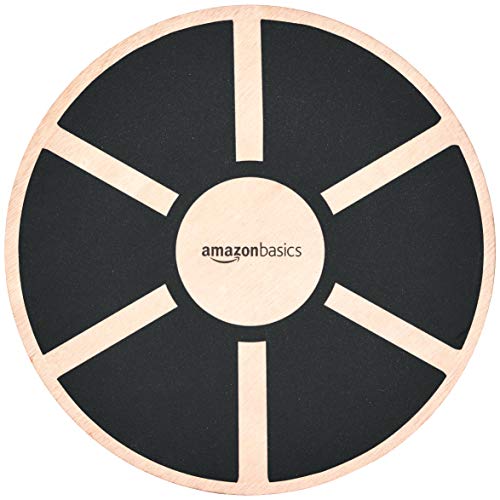
- Solid wood board supports up to 265 pounds
- Non-slip surface for balance exercises
- Useful for planks, push-ups, and standing work
Best For: Adults wanting a basic home or gym balance trainer
Portable Rocker Pick
StrongTek Wooden Balance Board
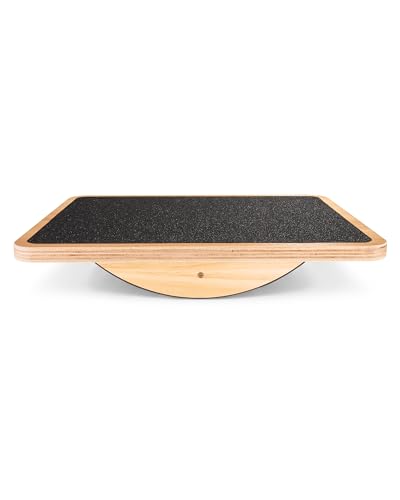
- Supports up to 350 pounds
- Textured, easy-grip surface
- Compact design suits travel and standing desks
Best For: Kids and adults wanting portable rocker-style training
Interactive Training Choice

- Bluetooth app offers games and real-time feedback
- Supports multiplayer use with up to four boards
- Includes a mat and balance cushion
Best For: Teens and adults seeking connected, engaging workouts
Adjustable Challenge Set
Sportneer 7-Mode Balance Board
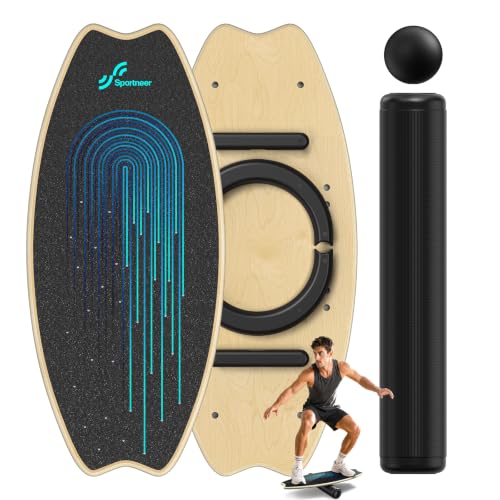
- Includes board, roller, and solid rubber ball
- Seven modes with adjustable magnetic stoppers
- Supports up to 450 pounds
Best For: Athletes and beginners wanting varied, progressive training
Best Adjustable Pick

- Three stopper settings plus an advanced open setup
- 15-ply wood supports up to 300 pounds
- Useful for board sports and general coordination
Best For: Adults who want adjustable roller-based training
Best Compact Wobble Pick

- 360-degree rotation with a 15-degree tilt
- Portable 15.75-inch design with handles
- Supports up to 300 pounds for home or office use
Best For: Adults adding balance work to desks and home workouts
Best Family-Friendly Pick

- Low-profile slackline design for kids and adults
- American maple construction supports up to 400 pounds
- Suitable for home, office, fitness, and board-sport practice
Best For: Families wanting versatile low-impact balance training
Best Heavy-Duty Pick
Professional Wooden Wobble Board

- Supports up to 350 pounds
- Works for therapy and advanced exercises
- Compact, anti-slip design with floor protection
Best For: Adults seeking a high-capacity board for balance, core training, or rehabilitation
Best 360-Degree Trainer
Philosophy Gym Round Wobble Board

- Wobbles through a full 360 degrees
- Hardwood construction supports 300 pounds
- Textured surface supports secure footing
Best For: Adults and athletes training balance, stability, coordination, and core strength
Best for Desk Use
Wooden Wobble Board with Ankle Support

- Arrives fully assembled
- Supports up to 350 pounds
- Designed for desks, therapy, and posture work
Best For: Beginners and desk workers wanting a ready-to-use balance and movement board
Reliable Core Trainer – Amazon Basics Wood Wobble Board
This straightforward balance board is a practical choice for home workouts, gyms, or rehabilitation settings. Its solid wood construction, textured non-slip surface, and 265-pound weight recommendation support exercises focused on balance, coordination, posture, and core strength.
Best For: Adults seeking a simple, versatile balance board for standing exercises, planks, push-ups, and targeted strengthening.
Pros:
- Supports up to 265 pounds.
- Non-slip surface helps provide a secure grip.
- Works with standing poses, planks, push-ups, and targeted workouts.
- Compact design measures 15.75 by 15.75 by 3.15 inches.
Cons:
- Should only be used on dry, non-slip surfaces.
- Offers a more basic experience than app-enabled or multi-piece trainers.
Choose this model if you want a no-frills wooden balance board with broad exercise compatibility and a clearly stated 265-pound capacity.
Portable Rocker Pick – StrongTek Wooden Balance Board
StrongTek’s wooden balance board offers a portable way to work on core strength, agility, reaction time, and stamina. Its rocker-style design, textured surface, and 350-pound capacity make it suitable for beginners, rehabilitation routines, office use, and more advanced balance practice.
Best For: Kids and adults who want a portable rocker board that can also be used near a standing desk.
Pros:
- Supports users up to 350 pounds.
- Textured surface is designed for a secure grip and comfortable barefoot use.
- Compact 17.5-by-13.5-by-3-inch format is easy to transport.
- Can be used for fitness, rehabilitation, or standing-desk activity.
Cons:
- The supplied information does not specify included accessories or app features.
- Its rocker format may provide less challenge than a full 360-degree wobble board for some users.
This is a flexible pick for shoppers who value portability, a high weight recommendation, and a gentler rocker-style balance challenge.
Interactive Training Choice – GoBalance App-Enabled Board
GoBalance adds connected features to the balance-board format, pairing with an iOS or Android app for real-time feedback, progress tracking, games, and sports training modes. With a wide wooden surface, removable soft mat, and 450-pound weight recommendation, it is designed for engaging home workouts rather than basic balance practice alone.
Best For: Teens and adults who want app-guided balance training, interactive games, multiplayer challenges, and full-body exercises.
Pros:
- Includes 12 free interactive games and four sports training modes.
- App provides real-time analysis and progress tracking.
- Supports up to four boards in multiplayer mode.
- Includes an anti-slip surface, removable TPE mat, and balance cushion.
Cons:
- Requires an iOS or Android mobile device for app connectivity.
- The board cannot connect directly to a TV; casting or screen mirroring is required.
- At 8.4 pounds, it is heavier than the simpler boards in this roundup.
GoBalance is the standout option for motivation and feedback, especially for households that will use the app, games, and multiplayer features regularly.
Adjustable Challenge Set – Sportneer 7-Mode Balance Board
Sportneer’s balance board set is built for shoppers who want more than a single wobble surface. It includes a board, roller, and solid rubber ball, with seven challenge modes and removable magnetic stoppers that let you adjust the setup for balance training, core work, surf practice, and physical therapy.
Best For: Beginners through experienced athletes who want adjustable balance challenges and equipment for sport-specific training.
Pros:
- Includes a board, roller, and solid rubber ball.
- Seven modes and four removable stoppers allow setup adjustments.
- Supports up to 450 pounds.
- Matte surface is designed to resist slipping with bare feet or shoes.
Cons:
- At 10.6 pounds, it is the heaviest product in this selection.
- The larger 31.5-by-14.17-inch format may require more storage space.
- Its multi-piece setup may be more involved than a basic wobble board.
For buyers who want progression and variety, Sportneer offers the broadest physical training setup here, with adjustable difficulty and accessories for dynamic exercises.
Best Adjustable Pick – 3-in-1 Wooden Balance Board
This versatile wooden balance board is a practical choice for users who want adjustable difficulty and board-sport training in one setup. Two removable stoppers provide 11-, 16-, and 22-inch spacing options, or can be removed for advanced practice.
Best For: Adults building balance, core strength, and coordination for surfing, snowboarding, skiing, skateboarding, and other sports.
Pros:
- Adjustable stopper positions accommodate beginner through advanced practice.
- 15-ply pressed wood supports up to 300 pounds.
- Emery-grip surface and TPE-covered roller help provide traction and smoother movement.
- Works for multiple sports and general balance training.
Cons:
- The roller-based design may require more space and control than a simple wobble board.
- It is designed for adults, so it may not be the most suitable option for young children.
Choose this model if adjustable progression matters more than compact portability. Its sturdy wood construction and roller design make it especially relevant for sport-specific balance practice.
Best Compact Wobble Pick – Yes4All Stability Trainer
This compact plastic balance board suits home, office, and gym routines, especially if you want to add movement to a standing desk. Its 360-degree rotation and 15-degree tilt support dynamic drills while the textured surface helps with foot grip.
Best For: Adults seeking a portable balance board for core exercises, standing-desk movement, stretching, and everyday coordination work.
Pros:
- Lightweight 15.75-inch design includes handles for easier transport.
- 360-degree rotation and a 15-degree tilt allow varied movement patterns.
- Heavy-duty plastic construction supports up to 300 pounds.
- Compact enough for home, office, outdoor, or fitness-club use.
Cons:
- Its 15-degree tilt offers less height and challenge than some larger roller-style boards.
- The plastic construction may feel less natural than a wooden balance board.
This is a straightforward pick for frequent short sessions and standing-desk use. The handles and compact footprint make it easier to store and move than longer board-and-roller designs.
Best Family-Friendly Pick – GIBBON SlackBoard
The GIBBON SlackBoard offers a low-profile alternative to conventional balance boards by combining a wooden board with an attached slackline. Its design is intended for kids and adults, making it a flexible option for balance practice, core work, and low-impact movement at home or in the office.
Best For: Families and adults wanting a low-to-the-ground balance board for general training, physical-therapy-style routines, desk breaks, or board-sport practice.
Pros:
- Designed for both kids and adults with a stable, low-profile setup.
- American maple construction supports up to 400 pounds.
- No metal or moving parts, according to the supplied product notes.
- Works for balance training, core workouts, flexibility, and surf or skate practice.
Cons:
- At 42 inches long, it needs more storage space than a compact wobble board.
- The slackline-style feel may take adjustment for users accustomed to rigid boards.
Consider this model if you want a shared balance trainer with a lower profile and broad use cases. Its longer footprint and 400-pound capacity make it particularly appealing for family use, while the maple construction supports regular training.
Best Heavy-Duty Pick – Professional Wooden Wobble Board
For shoppers comparing balance boards for home workouts, rehabilitation, or standing-desk use, this wooden wobble board emphasizes capacity, portability, and versatile training. Its anti-slip surface and compact design make it practical for exercises ranging from basic balance work to planks and squats.
Best For: Adults who want a high-capacity balance board for core training, physical therapy, or portable use.
Pros:
- Supports up to 350 pounds.
- Suitable for beginners, older adults, and users working on balance issues.
- Can be used for balance training, push-ups, squats, planks, and rehabilitation.
- Compact wooden design includes an anti-slip surface and floor-protection pads.
Cons:
- The adult-oriented design may be less suitable for very young users.
- The listed dimensions may provide less standing area than a larger round board.
This is a strong all-purpose option when weight capacity and exercise versatility matter most. It is especially practical for users who want one compact board that can support both rehabilitation work and more demanding core exercises.
Best 360-Degree Trainer – Philosophy Gym Round Wobble Board
This round balance board is designed for users who want multidirectional movement and a challenging core workout. Its 360-degree wobble action engages stabilizing muscles from every direction, while the textured surface helps provide secure footing during training.
Best For: Adults and athletes developing balance, coordination, stability, and core strength.
Pros:
- 360-degree rotation challenges balance in every direction.
- Sturdy hardwood construction supports up to 300 pounds.
- Textured non-slip surface helps improve traction.
- Useful for home gyms, physical therapy, standing desks, and sports cross-training.
Cons:
- Its dynamic 360-degree movement may feel demanding for users who prefer a gentler rocker board.
- The 15.5-inch round platform may require careful foot placement during exercises.
Choose this model if you value full-direction wobble and want a balance board that supports both general fitness and sport-specific training. The hardwood build and 300-pound capacity also make it a dependable choice for repeated workouts.
Best for Desk Use – Wooden Wobble Board with Ankle Support
Among balance boards for office and home use, this preassembled wooden model stands out for its desk-friendly design and floor-conscious construction. Reinforcement bands, anti-slip pads, and ankle support features make it suitable for balance practice, posture work, and low-impact movement while standing.
Best For: Beginners, older users, and desk workers seeking a ready-to-use board for balance training and standing-desk movement.
Pros:
- Arrives assembled for immediate use.
- Supports up to 350 pounds with double reinforcement bands.
- Anti-slip pads help grip the floor and reduce fall risk.
- Designed for physical therapy, posture improvement, core work, and standing desks.
Cons:
- The notes do not specify a textured top surface.
- Its larger footprint may take up more space under a desk than a compact board.
This is a convenient pick for shoppers who prioritize simple setup and everyday use. Its preassembled format and floor-protection features make it particularly appealing for office environments, while the 350-pound capacity broadens its usability for home training and rehabilitation.
How We Picked the Best Balance Boards
We evaluated these Balance Boards by looking at the features that matter most during regular home use: platform stability, surface traction, range of motion, weight capacity, portability, and ease of learning. We also considered whether each board suits beginners, experienced users, standing-desk use, physical therapy, or more dynamic workouts.
Because balance training can mean different things to different people, this list includes straightforward rocker boards, 360-degree wobble models, roller-and-ball systems, and technology-enhanced options. A board does not need to be the most difficult to be useful; controllable movement and consistent practice are often more valuable than maximum instability.
Quick Comparison
| Best For | Look For |
|---|---|
| Beginners | Rocker motion, wide platforms, and grippy surfaces |
| Advanced training | 360-degree movement, interchangeable modes, or rollers |
| Standing desks | Compact designs with controlled movement and stable edges |
| Family use | Durable construction, useful weight capacity, and easy storage |
| Motivated home workouts | Games, apps, or multiple difficulty settings |
Key Buying Factors for Balance Boards
Movement Type
Rocker boards tilt mainly forward and backward or side to side, making them easier to control. Round wobble boards allow movement in multiple directions and generally provide a greater challenge. Roller systems can be more demanding and require extra clearance, so they are best for users who already have basic balance skills.
Platform and Traction
Choose a platform large enough to place your feet comfortably without feeling cramped. A textured or slip-resistant top helps during exercise, while a protected underside can reduce floor scratches. Wear supportive shoes when learning, and avoid using a board on wet or uneven flooring.
Weight Capacity and Build
Check the manufacturer’s stated weight limit rather than assuming all wooden boards are equivalent. Wood can provide a solid, responsive feel, while plastic models may be lighter and easier to move. A higher capacity can also indicate a more suitable design for frequent or shared use, but it does not replace careful technique.
Storage and Safety
Measure your workout area before choosing a board, particularly if it includes a roller or ball. Start near a wall, countertop, or sturdy support, and progress gradually. Anyone using a balance board for rehabilitation should follow guidance from a qualified clinician.
Who Should Buy Which Balance Boards?
Beginners and casual exercisers: Start with a wide rocker or basic wobble board that offers predictable movement and a grippy surface.
Experienced athletes: Consider a 360-degree wobble board, multi-mode trainer, or roller-and-ball design for more demanding coordination work.
Standing-desk users: Choose a compact, stable board with moderate movement rather than the most aggressive model. It should feel controllable during short sessions.
Families: Prioritize durable materials, a generous weight rating, and a design that can be adjusted as different users gain confidence.
Users seeking motivation: An app-enabled board or game-based system may encourage more frequent practice, especially if traditional balance drills feel repetitive.