A cable crossover machine can bring smooth, adjustable resistance and a wide range of exercises to a home or commercial gym. The right model depends on your available space, preferred weight system, training goals, and installation requirements.
We’ve gathered 10 cable crossover machines ranging from compact wall-mounted stations to full functional trainers, then outlined the key differences to help you choose confidently.
Best 10 Cable Crossover Machine Picks for 2026
Heavy-Duty Pick
Body-Solid Powerline Cable Crossover

- Dual independent 160-pound weight stacks
- High- and low-pulley full-body training
- 10-year frame warranty
Best For: Spacious home or commercial gyms needing substantial, versatile equipment
Smooth-Motion Value
Best Fitness BFCCO10 Cable Crossover
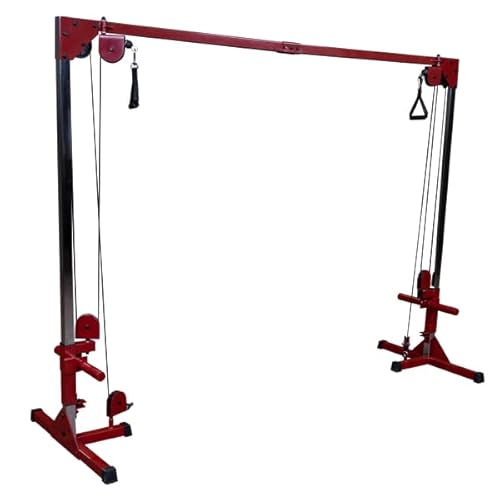
- 180-degree swiveling pulleys
- Smooth nylon-bushing carriage system
- Includes cable handles and Olympic carriage
Best For: Home or garage gyms seeking smooth movement in a lighter frame
Space-Saving Pick
GMWD Wall-Mounted Cable Machine

- Foldable wall-mounted design
- 26 height and 13 angle settings
- Switchable 2:1 and 1:1 cable ratios
Best For: Compact home gyms with a suitable wood or concrete mounting wall
Commercial-Style Movement

- Over 180 degrees of pulley swivel
- Nylon bushings and sealed ball bearings
- 10-year manufacturer warranty
Best For: Home or garage gyms prioritizing smooth, multidirectional pulley travel
Compact Wall-Mount Pick

- Wall-mounted design saves floor space
- 17 positions with dual pulley ratios
- Includes multiple cable attachments
Best For: Small home gyms and garages with suitable masonry or concrete walls
Premium Freestanding Pick
REP Fitness Arcadia Functional Trainer
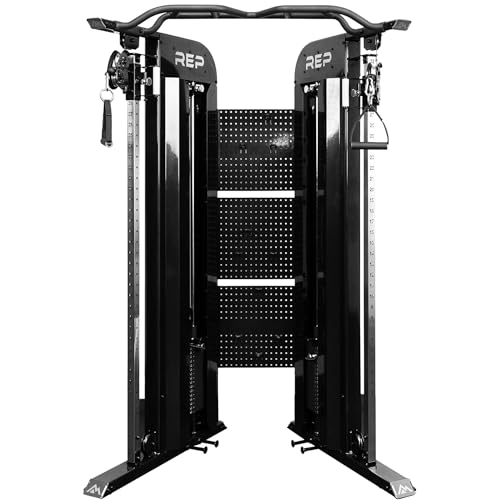
- 32 cable positions for flexible training
- Dual weight stacks with upgrade options
- Includes storage and integrated band pegs
Best For: Dedicated home or garage gyms used by experienced lifters
High-Capacity Wall-Mount Pick
Mikolo Dual Pulley Cable Station
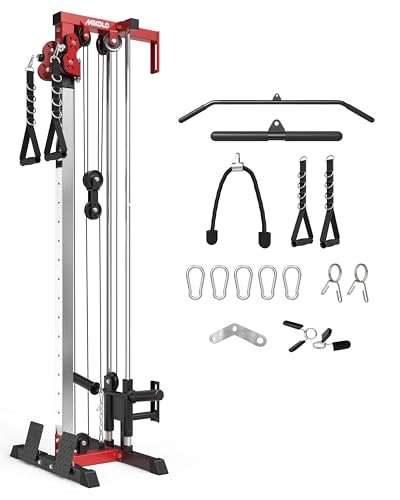
- Compact corner-friendly wall-mounted design
- 19 adjustable pulley positions
- Includes footboard and three attachments
Best For: Home gyms needing compact, plate-loaded cable training
Heavy-Duty Home Training

- Dual 160-lb weight stacks
- Commercial-rated steel construction
- Wide range of full-body exercises
Best For: Dedicated home or light commercial gyms
Space-Saving Versatility

- 17 adjustable pulley positions
- 350-lb plate-loaded capacity
- Includes bars, handles, and storage
Best For: Compact home gym corners
Commercial-Style Precision
Multifunctional Functional Trainer

- Dual 180-lb weight stacks
- 17 marked cable positions
- 11-gauge steel and aluminum pulleys
Best For: Permanent home gyms and serious strength training
Heavy-Duty Pick – Body-Solid Powerline Cable Crossover
If you want a substantial cable crossover machine for a home or commercial gym, the Body-Solid Powerline PFT100 emphasizes capacity, exercise variety, and independent resistance. Its dual 160-pound weight stacks support isolateral training, while the broad exercise selection covers high- and low-pulley movements for full-body workouts.
Best For: Users who have the space for a large, heavy functional trainer and want dual weight stacks for varied strength training.
Pros:
- Dual independent 160-pound weight stacks support isolateral movements.
- Offers high and low pulley exercises, including presses, rows, pulldowns, kickbacks, and core work.
- Heavy-duty alloy-steel construction with a 10-year frame warranty.
- Includes a wide range of listed exercise options in one station.
Cons:
- Its 42.3-by-62.6-by-83-inch footprint and 476-pound weight make it demanding to place and assemble.
- The listed 1/2:1 weight ratio provides lighter cable resistance than a 1:1 system.
This is a strong choice when stability and a broad training menu matter more than portability. Measure your space carefully before choosing this comparatively large cable crossover machine.
Smooth-Motion Value – Best Fitness BFCCO10 Cable Crossover
The Best Fitness BFCCO10 is a practical cable crossover machine for home or garage gyms, with 180-degree swiveling pulleys designed to keep movements smooth in multiple directions. Its 37-by-110-by-83-inch profile and 102-pound listed weight make it notably lighter than many full-size functional trainers.
Best For: Home and garage-gym users who prioritize smooth pulley movement and a lighter machine with a wide exercise range.
Pros:
- 180-degree swiveling pulleys support movement in multiple directions without changing cables.
- Patented nylon bushings glide on chrome guide rods for smooth carriage action.
- Includes two cable handles and a 2-inch Olympic-sized weight carriage.
- Supports a broad selection of full-body high- and low-pulley exercises.
Cons:
- The product notes do not specify included weight stacks, so users may need additional plates.
- Its 110-inch listed length requires a long, clear installation area.
- The frame warranty is 3 years, shorter than some options in this roundup.
Choose the BFCCO10 if pulley smoothness and a relatively light frame appeal to you. Confirm the required plate setup and available floor length before buying.
Space-Saving Pick – GMWD Wall-Mounted Cable Machine
The GMWD G7 Pro takes a different approach to the cable crossover machine by mounting to the wall and folding flat when not in use. With adjustable arms, multiple angle settings, and switchable 2:1 or 1:1 cable ratios, it is designed to deliver varied training without the footprint of a freestanding station.
Best For: Space-conscious home-gym users who can securely mount equipment to a wood or concrete wall.
Pros:
- Wall-mounted, foldable design helps conserve floor space.
- Offers 26 height adjustment holes and 13 arm-angle settings with 180-degree movement.
- Switches between 2:1 and 1:1 cable ratios for different resistance needs.
- Includes a lat bar, cable bar, dual-cable bracket, leg holder, mounting hardware, and other attachments.
Cons:
- Wall installation is required, so the mounting surface and hardware setup need careful attention.
- It has a 1-year manufacturer warranty.
- The listed setup dimensions are 39 inches deep by 28.6 inches wide by 77 inches high, so folded clearance should still be planned.
This is the most space-efficient option here, especially for a dedicated home gym with an appropriate wall. Its adjustment range and dual cable ratios add flexibility, but installation quality is essential.
Commercial-Style Movement – Body-Solid Functional Trainer
The Body-Solid PCCO90X is a functional cable crossover machine built around smooth, multidirectional pulley travel. Its top and bottom pulleys swivel more than 180 degrees, while nylon bushings and sealed ball-bearing pulleys are intended to provide low-friction guidance for a broad range of full-body exercises.
Best For: Users who want smooth, flexible pulley movement and a wide exercise selection in a home or garage gym.
Pros:
- Top and bottom pulleys swivel over 180 degrees for movement in multiple directions.
- Uses patented nylon bushing technology and eight sealed ball-bearing pulleys.
- Supports high- and low-pulley exercises for chest, shoulders, back, arms, legs, and core.
- Includes a 10-year manufacturer warranty according to the supplied notes.
Cons:
- The 37-by-113-by-83-inch dimensions require a particularly long installation area.
- The supplied specifications list a maximum recommendation of 133 pounds, which may limit heavier training.
- The notes do not clearly identify included weight-stack contents.
The PCCO90X stands out for pulley articulation and bearing-supported movement. It is worth considering when smooth direction changes are a priority, provided its long footprint and listed resistance limit fit your training space and goals.
Compact Wall-Mount Pick – WM1 Cable Crossover Machine
If you want a versatile cable crossover machine without giving up much floor space, the GOIMU WM1 is designed for home gyms, garages, and apartments. Its wall-mounted format offers 17 height positions, dual pulleys, and included attachments for exercises such as flys, rows, pulldowns, curls, and pushdowns.
Best For: Space-conscious home-gym owners who want an all-in-one cable station with included attachments and a stated 300-pound capacity.
Pros:
- Compact wall-mounted design with a listed footprint of about 3.28 square feet.
- 17 height positions and dual independent pulleys support varied training angles.
- Can switch between 1:1 and 2:1 pulley ratios using the included adaptor.
- Includes a lat pull bar, cable bar, triceps/biceps rope, and dual-handle grip.
Cons:
- Installation is intended for concrete or masonry walls, which may limit placement options.
- The 81.4-pound machine requires secure wall mounting and appropriate setup space.
- Its 78.74-inch height should be checked against the available ceiling clearance.
The WM1 is a practical choice when footprint matters more than a freestanding frame. Its adjustable positions, pulley-ratio flexibility, and broad attachment set make it a capable starting point for full-body cable training, provided your wall can support the installation.
Premium Freestanding Pick – REP Fitness Arcadia Functional Trainer
The REP Fitness Arcadia is a freestanding cable crossover machine built for users who want extensive adjustability and substantial resistance in a home or garage gym. It provides 32 cable positions, dual weight stacks, built-in storage, and compatibility with a wide range of optional attachments.
Best For: Experienced lifters seeking a full-size functional trainer with dual stacks, broad cable-position adjustability, and upgrade options.
Pros:
- Offers 32 cable positions for varied movement paths and training angles.
- Dual stacks provide up to 170 pounds each, with optional upgrades to 220 pounds each.
- Built-in storage helps keep handles and accessories organized.
- Integrated band pegs support added resistance, with a stated 540-pound maximum capacity.
Cons:
- Its 55.3-inch width and 80.8-inch height require considerably more room than wall-mounted options.
- Some attachments and weight-stack upgrades are optional rather than included.
- The included package lists two D-handles, while many specialized attachments require additional purchases.
The Arcadia stands out for adjustability and expansion potential. It is a stronger fit for a dedicated training area than a compact room, especially if you expect to use heavier resistance or add attachment packages over time.
High-Capacity Wall-Mount Pick – Mikolo Dual Pulley Cable Station
The Mikolo dual pulley station is a space-conscious cable crossover machine for home, garage, or office gyms. Its wall-mounted design includes adjustable pulley positions, a seated-row footboard, plate sleeves for 1-inch and 2-inch plates, and three core attachments.
Best For: Home-gym users who want a compact wall-mounted station with a stated 400-pound load capacity and support for unilateral or bilateral exercises.
Pros:
- Wall-mounted format is designed to fit corners and conserve floor space.
- Dual adjustable pulleys provide 19 height positions for varied exercises.
- Includes a lat bar, cable bar, and triceps rope, plus a large seated-row footboard.
- Commercial-grade 14-gauge steel and nylon-coated aircraft-quality cables are specified.
Cons:
- The listed 82-inch height may be unsuitable for rooms with low ceilings.
- Only three main attachments are included, so additional accessories may be needed for specialized movements.
- Wall installation and a secure setup are important for stable training.
With its compact footprint, plate-loading design, and 19 adjustment positions, the Mikolo is a sensible middle ground between a basic pulley station and a larger functional trainer. Check ceiling height and mounting requirements before buying.
Heavy-Duty Home Training – Body-Solid GDCC250B
The Body-Solid GDCC250B is a commercial-rated cable crossover machine for users who want independent resistance on both sides and a broad range of high- and low-pulley exercises. Its dual 160-pound stacks, wide frame, and durable steel construction make it a substantial choice for a dedicated home or light commercial gym.
Best For: Lifters seeking a robust, full-body cable system with dual independent weight stacks and extensive exercise versatility.
Pros:
- Dual 160-pound weight stacks support true isolateral movements.
- Offers numerous exercises, including crossovers, rows, presses, pulldowns, kickbacks, and core work.
- Heavy-duty 11-gauge, 2 x 4-inch oval tubing and a commercial-rated design.
- Includes a limited lifetime frame warranty and long-term coverage for several components.
Cons:
- Its 43 x 73 x 84-inch footprint and 514-pound weight require significant space and planning.
- The 1:2 weight ratio means the effective resistance differs from the stack label.
This is a strong fit when stability, durability, and exercise variety matter more than portability or a compact footprint. Confirm your available space before choosing this large, heavy machine.
Space-Saving Versatility – Mikolo Functional Trainer
The Mikolo cable crossover machine is designed for home gyms that need broad functionality in a relatively compact setup. With 17 adjustable pulley positions, high and low pulley stations, a pull-up bar, and a 350-pound capacity, it supports varied strength workouts while occupying about 20 square feet.
Best For: Home users who want an adjustable, plate-loaded cable system with storage and included attachments.
Pros:
- Seventeen height positions on each side help accommodate different exercises and users.
- Compact 52 x 56 x 82-inch design is suited to a home gym corner.
- 350-pound weight capacity and 16-gauge, 50 x 50 mm steel construction.
- Includes a lat pulldown bar, row bar, two strap handles, storage hooks, and weight-storage poles.
Cons:
- Plate-loaded operation requires separate weight plates.
- The two-year warranty is shorter than the coverage offered by some heavier commercial-style machines.
For buyers prioritizing adjustability and organized storage, the Mikolo offers a practical all-in-one layout. Its compact dimensions are helpful, but measure carefully for workout clearance around the frame.
Commercial-Style Precision – Multifunctional Functional Trainer
This commercial functional trainer is a cable crossover machine built around adjustable positioning, dual weight stacks, and a compact footprint. Its 17 cable positions, two 180-pound stacks, 2:1 resistance ratio, aluminum pulleys, and included accessories support precise full-body strength training for both beginners and experienced users.
Best For: Users wanting a durable, stack-loaded functional trainer with precise adjustments and a broad accessory package.
Pros:
- Dual 180-pound weight stacks provide substantial training capacity.
- Seventeen adjustable cable positions and laser-etched markings simplify setup.
- Rugged 11-gauge steel, aluminum pulleys, and pre-lubricated uprights support smooth operation.
- Includes D-handles, additional grip options, a welded ring, and a 15-exercise diagram.
Cons:
- At 855 pounds, it is extremely heavy and difficult to relocate.
- The 35 x 65 x 84.9-inch dimensions still require dedicated floor space.
- The 2:1 ratio means the felt resistance is lower than the selected stack weight.
This model is best suited to a permanent training area where its heavy frame and dual stacks can be fully used. It combines commercial-style construction with convenient adjustments, but installation and placement deserve careful planning.
How We Picked the Best Cable Crossover Machines
We compared these machines by looking at functional versatility, adjustment range, pulley layout, weight-stack design, footprint, construction, and installation demands. We also considered whether each unit is better suited to a compact home gym, garage, dedicated training room, or light commercial setting.
A strong Cable Crossover Machine should support more than basic crossovers. Useful models provide both high and low pulley positions, independent sides for unilateral training, smooth cable travel, and enough adjustment range for movements such as rows, presses, pulldowns, curls, triceps work, lateral raises, and rotational exercises.
Quick Comparison
- Best for full functionality: Choose a functional trainer with dual adjustable pulleys and integrated weight stacks.
- Best for limited space: Wall-mounted stations generally use less floor area than freestanding frames.
- Best for customization: Look for many height positions, swivel arms, and broad attachment compatibility.
- Best for heavier training: Prioritize a sturdy frame, stable mounting or base, and a substantial weight capacity.
- Best for garage gyms: Check ceiling height, wall structure, delivery access, and whether professional assembly is needed.
Key Buying Factors for a Cable Crossover Machine
Footprint and Installation
Measure the complete operating area, not just the frame. You’ll need clearance in front, above, and between the pulleys for cable paths and exercise movement. Wall-mounted designs must be secured to suitable studs or masonry, while freestanding units need enough floor space and stability.
Weight Stack or Plate-Loaded Design
Weight stacks allow quick, consistent adjustments and are convenient for shared gyms. Plate-loaded systems may offer more flexibility and can cost less, but they require Olympic or standard plates and often take longer to change between exercises.
Adjustment Range and Cable Motion
More pulley positions improve exercise variety, but position count is only useful when the arms move smoothly and lock securely. Swiveling pulleys can make pressing, rowing, and rotational movements feel more natural.
Frame Stability and Capacity
Look for a rigid steel frame, dependable hardware, smooth pulleys, and clearly stated user and resistance limits. A compact station may be excellent for moderate training but unsuitable for very heavy or explosive work.
Attachments and Maintenance
Check which handles and bars are included, whether the cable system accepts standard attachments, and how easily cables and pulleys can be inspected. Regularly tightening hardware and checking cable wear helps preserve smooth, safe operation.
Who Should Buy Which Cable Crossover Machine?
Home users with limited space should focus on wall-mounted models with multiple height settings. Dedicated home and garage gyms may benefit from a freestanding functional trainer with integrated stacks and broader exercise coverage. Families or shared training spaces should prioritize independent pulley adjustment and fast weight changes. Serious lifters and light commercial users should choose the heaviest, most stable frame that fits their budget and room.
Before ordering, confirm dimensions, ceiling clearance, mounting requirements, included accessories, warranty coverage, and delivery or assembly options. These details often matter as much as the advertised number of exercises.