The best cycling shorts for triathlons balance bike-seat comfort with fast transitions, secure storage, and fabric that dries quickly after the swim. A good pair should support all three disciplines without feeling bulky on the run.
We compared 10 triathlon and cycling short options across padding, fit, moisture management, pockets, sun protection, and versatility to help you choose the right pair for training or race day.
Best 10 Cycling Shorts for Triathlons Picks for 2026
Long-Distance Tri Pick
MY KILOMETRE Adjustable Triathlon Shorts
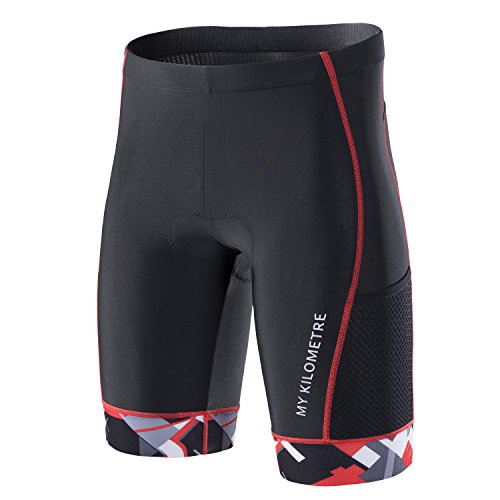
- Aero-position multi-density chamois
- Two easy-access nutrition pockets
- UPF 50+ chlorine-resistant fabric
Best For: Long-distance triathlons and athletes needing accessible storage
Versatile Cycling Pick
Sponeed Men's Padded Cycling Shorts

- Breathable, sweat-absorbent construction
- Padded support for cycling
- High-stretch fabric with leg grip
Best For: Triathlon training and general cycling use
Streamlined Race Pick

- Light, slim bike-to-run foam pad
- Two open hip pockets
- Flatlock seams and secure leg finish
Best For: Lightweight triathlon racing with essential nutrition storage
Visibility Pick
Sparx Men's Active Triathlon Shorts

- UPF 50+ quick-drying technical fabric
- Reflective logo and rear detail
- Light pad with thigh and rear storage
Best For: Visible, comfortable swim-bike-run training and racing
Balanced Race-Day Support
Wixen Men’s 7″ Triathlon Shorts

- Lightweight 3D tri chamois
- Quick-drying fabric with UPF 50+
- Side pockets and drawstring waist
Best For: Swim-bike-run training and brick workouts
Secure Compression Fit

- Medium compression with high stretch
- Slim foam pad for bike and run
- Two accessible hip pockets
Best For: Race and training sessions requiring stable coverage
Phone-Carrying Comfort
Aero Speed+ Men’s Triathlon Shorts

- Secure hidden phone pocket
- Anatomical 3D memory-foam padding
- Breathable, quick-drying mesh panels
Best For: Multi-discipline training with smartphone storage
Versatile Road Comfort

- 3D padding for middle-distance comfort
- Three pockets, including rear zip storage
- UPF 50+ fabric with silicone leg grips
Best For: Training rides and everyday cycling
Triathlon Transition Pick

- Quick-drying design for swim, bike, and run
- Low-profile 4mm tri chamois
- Water-draining mesh pockets
Best For: Sprint and Olympic-distance triathlon training
Cushioned Training Value
Sportneer Men's 4D Bike Shorts

- Three-layer 4D padding for ride support
- Breathable, stretchy moisture-wicking fabric
- UPF 50+ and reflective logo
Best For: Cycling-focused triathlon training
Long-Distance Tri Pick – MY KILOMETRE Adjustable Triathlon Shorts
For athletes comparing cycling shorts for triathlons, these MY KILOMETRE shorts emphasize race-day versatility, storage, and comfort in the aero position. The chlorine-resistant, UPF 50+ fabric also suits swim-bike-run training.
Best For: Long-distance triathlons and athletes who want accessible nutrition storage.
Pros:
- Multi-density chamois is designed for cycling comfort while remaining suitable for the run.
- Two side pockets provide convenient access to nutrition.
- UPF 50+ protection, chlorine resistance, and muscle-supporting compression.
- Drawstring, silicone leg finish, and flatlock stitching help keep the shorts secure and reduce chafing.
Cons:
- Hand-wash-only care requires extra maintenance.
- The skinny, low-rise compression fit may not suit athletes who prefer a relaxed cut.
Choose this pair when storage and long-course comfort matter most. Its technical features are particularly useful for athletes moving between all three triathlon disciplines.
Versatile Cycling Pick – Sponeed Men's Padded Cycling Shorts
These Sponeed shorts are a practical option for shoppers seeking cycling shorts for triathlons that can also handle road riding, mountain biking, indoor cycling, and commuting. Their high-stretch fabric and padded construction focus on everyday riding comfort.
Best For: Multisport athletes who want one pair for triathlon training and general cycling.
Pros:
- Breathable, sweat-absorbent fabric supports longer rides.
- Padded design provides cushioning for cycling.
- Flatlock stitching and a bottom leg grip help improve comfort and stability.
- 80% polyester and 20% spandex fabric offers high stretch.
Cons:
- No pockets are listed for carrying gels or other essentials.
- The cycling-focused padding may be less streamlined for the swim and run portions of a triathlon.
This is a flexible training choice rather than a highly specialized race short. It makes the most sense for athletes who value broad cycling use and padding over triathlon-specific storage.
Streamlined Race Pick – SLS3 Men's Triathlon Shorts
For athletes narrowing down cycling shorts for triathlons, the SLS3 pair offers a lightweight, snug design built around race essentials. Its slim foam pad supports the bike leg without adding much bulk for the run.
Best For: Triathletes who want lightweight padding and quick-access race nutrition storage.
Pros:
- Light, slim foam-cushioned pad is designed for cycling and running.
- Two open hip pockets hold gels, bars, or chews.
- Flatlock seams and a drawstring waistband help reduce chafing and improve fit.
- Soft leg finish is designed to prevent riding up.
Cons:
- Only two pockets are listed, limiting storage capacity.
- The snug compression fit may require careful sizing for personal comfort.
This is a focused race-day option for athletes who prefer a simple, lightweight short. The combination of minimal padding, secure leg hems, and hip pockets keeps the design practical across the bike and run.
Visibility Pick – Sparx Men's Active Triathlon Shorts
Sparx Men's Active Triathlon Short Tri Cycling Short Swim Bike Run (Black/Black, XL)
Check Price On AmazonThe Sparx Active shorts combine technical stretch fabric, reflective details, and storage for athletes comparing cycling shorts for triathlons. Their lightweight pad is intended to support the bike leg without becoming intrusive during the run or swim.
Best For: Triathletes who prioritize visibility, UPF protection, and multi-pocket storage.
Pros:
- 80% polyamide and 20% elastane Italian technical fabric dries quickly and stretches in four directions.
- Reflective logo and rear detail improve visibility.
- UPF 50+ fabric adds sun protection.
- Two thigh pockets and a rear pocket keep nourishment accessible.
Cons:
- The soft leg finish has no silicone gripper, which may provide less hold than gripper-equipped designs.
- The listed details specify three pockets but identify the pocket count as two, so storage configuration may need confirmation.
Consider this pair when visibility and comfort are more important than an aggressively secured leg hem. The quick-drying fabric, reflective elements, and lightweight pad create a well-rounded option for training and racing.
Balanced Race-Day Support – Wixen Men’s 7″ Triathlon Shorts
For athletes comparing cycling shorts for triathlons, the Wixen offers a balanced 7-inch fit with compression support, a lightweight tri chamois, and quick-drying fabric for swim-bike-run training. Side pockets add room for small race essentials.
Best For: Men who want versatile triathlon shorts for training, brick workouts, and sprint through long-distance sessions.
Pros:
- Lightweight 3D chamois cushions the ride without adding bulky padding for the run.
- Quick-drying, moisture-wicking fabric includes UPF 50+ protection.
- Side pockets hold gels, keys, cards, or a phone.
- Flatlock seams, stretch fabric, and a drawstring waist support comfortable movement.
Cons:
- Hand-wash-only care requires more maintenance.
- Pocket stability may vary with the size and weight of the contents.
The Wixen is a practical all-around option when you want compression, modest coverage, and race essentials storage in one lightweight pair.
Secure Compression Fit – SLS3 Men’s 8″ Tri Shorts
The SLS3 is a strong choice among cycling shorts for triathlons if you prefer medium compression and an 8-inch leg. Its slim foam pad is designed for cycling comfort while remaining unobtrusive during the run.
Best For: Men seeking snug, race-focused tri shorts with easy-access nutrition storage and legs designed to stay in place.
Pros:
- Medium compression provides support without an overly restrictive feel.
- Lightweight foam cushioning supports the bike leg and run.
- Two open hip pockets provide quick access to gels, bars, or chews.
- Soft leg hems help reduce riding up, while flatlock seams and a drawstring waist help limit chafing.
Cons:
- Open pockets may offer less protection than enclosed storage.
- The snug compression fit may not suit athletes who prefer a relaxed cut.
With its longer inseam, secure hem, and simple nutrition-carrying system, the SLS3 focuses on dependable support through racing and training.
Phone-Carrying Comfort – Aero Speed+ Men’s Triathlon Shorts
For athletes choosing cycling shorts for triathlons, the Aero Speed+ emphasizes movement, ventilation, and secure phone storage. Its anatomical padding and quick-drying mesh construction are designed to carry you from swimming through cycling and running without changing clothes.
Best For: Triathletes who want a phone-focused pocket and breathable support for longer, multi-discipline training sessions.
Pros:
- Hidden side phone pocket uses anti-shock and anti-slip features to help keep a smartphone secure.
- 3D memory-foam padding is shaped for male anatomy and long-distance cycling comfort.
- Mesh panels improve ventilation around the thighs and back.
- Ergonomic, high-stretch construction supports unrestricted movement and quick transitions.
Cons:
- The listed regular fit may provide less compression than performance-oriented snug styles.
- The supplied details do not specify a drawstring or other adjustable waist closure.
The Aero Speed+ stands out for athletes who prioritize phone security, ventilation, and anatomical padding in a lightweight triathlon short.
Versatile Road Comfort – Men's 3D Padded Bike Shorts
For cyclists looking for cycling shorts for triathlons that also work well for everyday riding, these Bikewa shorts emphasize padding, storage, and sun protection. Their 9-inch inseam, stretchy quick-drying fabric, and articulated fit are suited to middle-distance rides, though they are designed primarily as bike shorts rather than swim-to-run triathlon gear.
Best For: Middle-distance cycling, training rides, indoor cycling, and riders who want multiple pockets.
Pros:
- 3D padding helps minimize vibration during middle-distance rides.
- Three pockets include two phone-friendly side pockets and a rear zipper pocket.
- UPF 50+, quick-drying nylon-spandex fabric, and silicone leg grippers support outdoor comfort.
- Reflective details improve visibility in low-light conditions.
Cons:
- The cycling-specific 3D pad may be bulkier for swim-bike-run transitions.
- At a 9-inch outseam, the shorts offer longer coverage than many triathlon-specific styles.
- The supplied details do not identify swim-ready or run-specific features.
This is a practical choice when bike comfort and carrying essentials matter most. For a true triathlon focus, compare it with a low-profile tri chamois and water-draining pockets.
Triathlon Transition Pick – Men's Swim Bike Run Shorts
These men’s triathlon shorts are the most directly targeted option for cycling shorts for triathlons, with a design intended to move from swim to bike to run. The lightweight quick-dry fabric, low-profile 4mm tri chamois, and water-draining mesh pockets are especially relevant for race-day transitions and brick training.
Best For: Sprint and Olympic-distance training, race-day transitions, and swim-bike-run workouts.
Pros:
- Quick-drying fabric is designed for movement across all three triathlon disciplines.
- A 4mm low-profile tri chamois supports an aero riding posture without excessive bulk.
- Silicone leg grippers help prevent ride-up during rides and runs.
- Dual mesh pockets drain water quickly and hold phones, gels, or salt tabs.
Cons:
- The lightweight 100% polyester construction may provide less cycling-specific cushioning than thicker bike shorts.
- Storage capacity is limited to two mesh pockets.
- The supplied details specify summer use and do not list UPF protection.
Among these options, this pair offers the clearest multi-sport balance. Its low-profile pad and drainage-focused pockets make it the strongest fit for athletes prioritizing transitions over maximum bike-seat cushioning.
Cushioned Training Value – Sportneer Men's 4D Bike Shorts
For riders comparing cycling shorts for triathlons with more traditional padded bike shorts, the Sportneer model focuses on cushioning and ride comfort. Its three-layer 4D pad, moisture-wicking nylon-spandex fabric, and anti-slip leg grip suit training rides, spinning, and cycling-heavy workouts, while the listed triathlon use makes it worth considering for athletes who value bike support.
Best For: Cycling-focused triathlon training, road biking, indoor fitness cycling, and riders seeking substantial padding.
Pros:
- Three-layer 4D padding provides cushioning and impact support without being described as bulky.
- 82% nylon and 18% spandex fabric offers stretch, breathability, and quick sweat evaporation.
- Silicone leg grips and a 3cm elastic waistband help maintain a secure fit.
- UPF 50+ protection and a reflective logo support outdoor riding visibility.
Cons:
- The thicker 4D padding may be less transition-friendly than a low-profile tri chamois.
- The low-rise, 2.6-inch listed outseam may offer less coverage than longer cycling shorts.
- The supplied notes do not mention swim-ready construction or water-draining storage.
This model makes sense when comfort on the bike is the priority, particularly during training and indoor sessions. Athletes racing a swim-bike-run event may prefer a lighter tri-specific pad for easier transitions.
How We Picked the Best Cycling Shorts for Triathlons
We focused on features that matter across the swim-bike-run format rather than treating ordinary padded bike shorts as automatic triathlon apparel. Our comparison considered chamois thickness and placement, quick-drying construction, four-way stretch, leg stability, pocket design, breathability, and sun protection.
We also included a mix of dedicated tri shorts and versatile cycling shorts. Dedicated triathlon designs generally prioritize a lower-profile pad and faster drying, while traditional bike shorts may offer more cushioning for long training rides. Product descriptions and listed specifications were used to distinguish these intended uses.
Quick Comparison
| Best For | Look For | Why It Matters |
|---|---|---|
| Race day | Low-profile, quick-dry chamois | Reduces bulk during transitions and running |
| Long bike legs | More substantial padding and stable fit | Improves saddle comfort over extended rides |
| Training versatility | Durable fabric and practical pockets | Works for cycling, brick workouts, and casual rides |
| Hot, sunny conditions | Breathable fabric and UPF protection | Helps manage heat while limiting sun exposure |
Key Buying Factors for Cycling Shorts for Triathlons
Chamois and Discipline Balance
Choose enough padding for your saddle and expected bike distance, but avoid an overly thick pad if you plan to run immediately afterward. Tri-specific chamois typically dries faster and feels less noticeable during the run.
Fit, Compression, and Leg Grip
Shorts should stay smooth against the skin without restricting hip movement. Compression can provide a secure feel, while silicone or elastic leg grippers help prevent ride-up. Check the sizing chart carefully, especially when ordering a close-fitting style.
Drying Speed and Breathability
After the swim, saturated fabric can create chafing and unnecessary weight. Prioritize moisture-wicking, quick-dry materials and breathable panels. Flat seams and a soft waistband are also valuable on longer efforts.
Pockets and Sun Protection
Side or rear pockets can hold gels, keys, or a phone during training, although extra storage may be unnecessary or restrictive in some races. UPF 50+ fabric is useful for outdoor training, but it does not replace sunscreen on exposed skin.
Who Should Buy Which Cycling Shorts for Triathlons?
Choose dedicated triathlon shorts if you want fast-drying fabric, a streamlined pad, and a design made specifically for swim-bike-run training or racing. They are usually the best starting point for first-time triathletes.
Choose more heavily padded cycling shorts if your priority is long-distance riding, indoor training, or maximum saddle cushioning. They may be more comfortable on the bike but can feel bulkier during transitions and running.
Choose pocketed, UPF-rated shorts for training sessions, brick workouts, and unsupported routes where carrying nutrition or small essentials matters. For race day, confirm that the fit, pad, and pocket placement feel comfortable at running pace before committing to them.