Choosing a heart rhythm tracking device depends on what you want to monitor: suspected arrhythmias, workout heart rate, oxygen trends, or everyday reassurance at home.
Below, we focus on devices that are easy to use, mobile-friendly, and practical for different budgets and use cases, so you can match the right tool to your needs.
Best 10 Heart Rhythm Tracking Device Picks for 2026
Best for Quick ECG Checks
KardiaMobile 1-Lead EKG Monitor

- 30-second medical-grade EKG readings
- No subscription needed for basic use
- Pocket-size and easy to use with a smartphone
Best For: People who want a portable, app-based EKG monitor for quick rhythm checks and sharing results.
Best for Detailed Six-Lead EKGs
KardiaMobile 6L Max EKG Monitor

- Six-lead EKG for more detailed rhythm data
- FDA-cleared readings in about 30 seconds
- Includes one year of KardiaCare and reviews
Best For: People who want a compact heart rhythm monitor with advanced readouts and cardiologist review options.
Best No-Subscription Pick

- No subscription or hidden app costs
- Bluetooth phone and USB PC connectivity
- Records ECG signals and heart rate at home
Best For: Home users who want a portable, no-fee ECG monitor for simple rhythm checks.
Best for Continuous Wear
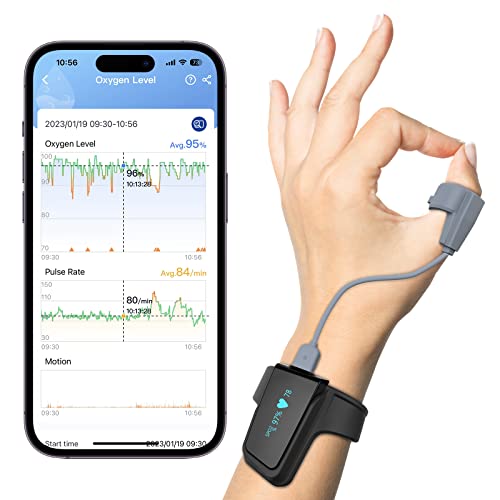
- Comfortable ring-style sensor for overnight and all-day wear
- Tracks SpO2, pulse rate, and motion with app/PC reports
- Vibration and audio alerts help flag low readings quickly
Best For: People who want a comfortable wearable for continuous oxygen and pulse trend tracking.
Best for Portable Readouts
Portable ECG Monitor with LCD & Storage

- 30-second ECG results for quick spot checks
- Compact design with stored readings
- PC and smartphone compatibility for review
Best For: Buyers who want a compact personal ECG monitor for quick, portable heart rhythm checks.
Best for HRV Tracking
Scosche Rhythm+ 2.0 Armband Heart Rate Monitor

- Tracks real-time heart rate over Bluetooth or ANT+
- HRV/RRi data supports recovery and stress insights
- Comfortable armband with 24-hour battery life
Best For: Athletes who want an armband heart rate monitor for training, recovery, and app-based analysis.
Best for Fast At-Home Readings
Beurer Cardio Companion ME75 ECG Monitor

- 30-second ECG readings with real-time results
- 3-lead monitor that flags irregular rhythms
- Optional Bluetooth app and rechargeable battery
Best For: Home users who want quick spot-check ECG readings with optional app syncing.
Best for Quick Checks
Portable Heart Rate Monitor for Home Use

- 30-second readings for fast routine checks
- App-compatible for tracking and sharing results
- Compact design with OLED screen and long battery life
Best For: Users who want a portable, easy-to-use heart rhythm tracker for quick home readings.
Best for HRV Training

- Accurate real-time heart rate tracking
- HRV/RRi data support for recovery apps
- Comfortable armband fit with 24-hour battery life
Best For: Athletes who want strap-free heart rate tracking with HRV and recovery insights.
Best for Quick ECG Checks – KardiaMobile 1-Lead EKG Monitor
If you want a compact heart rhythm tracking device for fast, at-home spot checks, the KardiaMobile 1-Lead EKG Monitor is a practical choice. It pairs with a smartphone, records a medical-grade EKG in about 30 seconds, and gives easy-to-read rhythm results without requiring a subscription.
Best For: People who want a pocket-size EKG monitor for quick rhythm checks, travel, and simple smartphone-based tracking.
Pros:
- 30-second single-lead EKG results with FDA-cleared, medical-grade readings
- Works with the free app and does not require Bluetooth, Wi-Fi, cords, or a subscription
- Detects normal sinus rhythm, AFib, tachycardia, and bradycardia
- Small, lightweight design makes it easy to carry anywhere
Cons:
- Only a single-lead monitor, so it is less comprehensive than multi-lead options
- Advanced detections and doctor review require the paid KardiaCare subscription
- Not intended for pacemaker or ICD users, and it does not check for heart attacks
For buyers who value portability and straightforward readings, this heart rhythm tracking device offers a strong mix of convenience and credibility. It is especially useful if you want quick rhythm snapshots you can share with a clinician, rather than a more advanced clinical setup.
Best for Smartphone & PC Use – EMAY Portable ECG Monitor
If you want a practical heart rhythm tracking device for at-home checks, the EMAY Portable ECG Monitor offers a straightforward way to record Lead I ECG signals and view heart rate on both phone and desktop. It’s designed for OTC use, with Bluetooth for mobile and USB connectivity for PC-based review.
Best For: People who want a portable, app-connected ECG monitor for home health tracking and occasional rhythm checks.
Pros:
- Records and stores Lead I ECG signals for later review
- Works with smartphones via Bluetooth and PCs via USB
- Rechargeable battery makes it easy to keep on hand for regular use
- Software supports case review, measurement, and uploads
Cons:
- Not intended to replace a hospital diagnostic ECG
- Not recommended for users with implanted pacemakers
As a heart rhythm tracking device, this model is a solid pick if you value portability and flexible viewing on multiple devices. It’s best for personal monitoring and record-keeping rather than clinical diagnosis.
Best for Detailed Six-Lead EKGs – KardiaMobile 6L Max EKG Monitor
If you want a heart rhythm tracking device that gives you more data than a basic single-lead monitor, the KardiaMobile 6L Max is built for that job. It captures a six-lead EKG in about 30 seconds, works with your smartphone or tablet, and includes a year of KardiaCare for added review and insight features.
Best For: People who want a pocket-sized, FDA-cleared monitor with more detailed rhythm tracking and cardiologist review options.
Pros:
- Six-lead readings provide more detail than standard personal EKG devices.
- FDA-cleared results in about 30 seconds with unlimited recordings.
- Includes one year of KardiaCare with cardiologist EKG reviews and insights.
Cons:
- KardiaCare is required to use the 6-lead EKG features.
- Not intended for pacemakers, ICDs, or heart attack detection.
For buyers comparing a heart rhythm tracking device, this model stands out when accuracy, six-lead detail, and remote review features matter more than a bare-bones app-only experience. It is especially useful if you want a compact monitor you can use at home or share with a clinician.
Best No-Subscription Pick – EMAY 6L Portable ECG Monitor
If you want a practical heart rhythm tracking device for at-home spot checks, the EMAY 6L Portable ECG Monitor is built around simple recording, heart rate display, and easy app-based review. It connects to a smartphone over Bluetooth or a PC via USB, so you can save readings without paying ongoing fees.
Best For: Buyers who want a no-subscription ECG monitor for home health tracking and easy review on phone or computer.
Pros:
- No subscription or hidden app costs
- Works with both smartphone and PC for flexible review
- Records ECG signals and displays heart rate for home use
- Rechargeable battery supports portable monitoring
Cons:
- Not a replacement for a hospital diagnostic ECG
- Implanted pacemaker users are not recommended to use it
- OTC device may not suit users needing clinical-grade supervision
As a heart rhythm tracking device, the EMAY 6L stands out most for low ongoing cost and straightforward data access rather than advanced medical workflow. It is a good fit if you want an affordable way to capture ECGs at home and share or review them later on a phone or computer.
Best for Continuous Wear – Wellue O2 Pulse Oximeter Ring
If you want a heart rhythm tracking device-style wearable that stays on overnight and during long sessions, the Wellue O2 Ring is built around continuous SpO2 and pulse monitoring rather than a quick spot check. It pairs with a free app and PC software, making it easy to review trends, set alerts, and export reports after the fact.
Best For: Users who need comfortable, all-day oxygen and pulse tracking with vibration alerts and app-based trend review.
Pros:
- Comfortable ring sensor design stays on securely without the bulk of a fingertip clip.
- Tracks SpO2, pulse rate, and motion continuously with app and PC reporting.
- Smart vibration and audio reminders can alert you when readings drop below your set level.
- Long battery life supports extended use up to 72 hours per charge.
Cons:
- Not a medical device, so it is intended for sports and aviation use only.
- Requires the companion app/software to get the most value from the data.
For buyers comparing a heart rhythm tracking device against a more focused oxygen monitor, this model makes the most sense when comfort, continuous wear, and trend data matter more than clinical-grade diagnostics. It is a practical pick for overnight monitoring and everyday wellness tracking.
Best for Portable Readouts – Portable ECG Monitor with LCD & Storage
If you want a practical heart rhythm tracking device for quick spot checks at home or on the go, this portable ECG monitor is built around fast, simple readings. It pairs an LCD screen with saved results, and its PC and smartphone compatibility makes it easier to review trends without using a full clinical setup.
Best For: People who want a compact, easy-to-carry monitor for occasional heart rhythm checks and simple result review.
Pros:
- Instant ECG results in about 30 seconds for fast checks
- Portable design with onboard storage for saved readings
- Works with both PC and smartphone for easier viewing
Cons:
- Not a replacement for professional medical evaluation
- Best suited to spot checks rather than continuous tracking
Overall, this is a straightforward heart rhythm tracking device for buyers who value portability, quick results, and basic digital review over advanced monitoring features. It makes sense as a convenient personal ECG option when you want a simple way to check in on heart activity.
Best for HRV Tracking – Scosche Rhythm+ 2.0 Armband Heart Rate Monitor
If you want a practical heart rhythm tracking device for training and recovery, the Scosche Rhythm+ 2.0 is a strong choice. It pairs over Bluetooth or ANT+ with watches, apps, and gym equipment, while its optical sensor tracks real-time heart rate for workouts, cycling, and indoor training.
Best For: Athletes who want an armband monitor with HRV/RRi data, broad app compatibility, and a comfortable chest-strap alternative.
Pros:
- Accurate real-time heart rate tracking with Bluetooth and ANT+ support
- HRV mode streams RR interval data for recovery and stress analysis
- Lightweight armband fit stays secure during running, cycling, and gym sessions
- Up to 24-hour battery life with IP68 waterproof durability
Cons:
- Not a full smartwatch, so it relies on paired devices and apps
- Some users may still prefer a chest strap for maximum simplicity
Overall, the Rhythm+ 2.0 stands out as a versatile heart rhythm tracking device for people who care about both workout intensity and recovery metrics. It is especially appealing if you want chest-strap-style data without the discomfort.
Best for Fast At-Home Readings – Beurer Cardio Companion ME75 ECG Monitor
If you want a heart rhythm tracking device that gives quick, home-friendly ECG readings without a complicated setup, the Beurer Cardio Companion ME75 is a strong fit. It delivers real-time results in about 30 seconds, supports multiple measuring positions, and adds optional Bluetooth app syncing for users who want to store more data over time.
Best For: People who want a portable, FDA-cleared ECG monitor for fast spot checks and optional app-based tracking at home.
Pros:
- Fast 30-second readings with a bright color display for quick checks
- 3-lead ECG design with irregular rhythm and arrhythmia detection
- Optional Bluetooth app support plus local storage for up to 100 readings
- Rechargeable, portable build that is easy to keep on hand
Cons:
- Not suitable for people with pacemakers or certain implants
- Requires proper measuring technique to maintain accuracy
- More of a spot-check ECG monitor than a continuous tracker
For buyers who want a practical heart rhythm tracking device with fast readings and flexible logging, the ME75 stands out as an easy home option. It is especially appealing if you value quick ECG checks, portability, and the choice to use the app only when you want it.
Best for Quick Checks – Portable Heart Rate Monitor for Home Use
If you want a heart rhythm tracking device that prioritizes speed and convenience, this portable monitor is built for fast spot checks at home or on the go. It takes readings in about 30 seconds, pairs with a smartphone app, and shows results on an OLED screen so you can review them even without your phone nearby.
Best For: People who want a simple, portable way to record heart rhythm readings quickly and share them with a doctor.
Pros:
- 30-second measurements make routine checks fast and easy.
- Works with hand, ankle, or chest placement for flexible use.
- OLED display lets you view results instantly on the device.
- App support helps record, track, and share readings.
Cons:
- Not a replacement for clinical-grade diagnostics or medical advice.
- Small screen and app workflow may feel basic for some users.
This is a practical heart rhythm tracking device for buyers who value portability, quick setup, and simple app-based logging over advanced features. Its compact design and long battery life make it a solid pick for everyday self-monitoring.
Best for HRV Training – Scosche Rhythm+ 2.0 Armband
If you want a heart rhythm tracking device that goes beyond basic workout heart rate, the Scosche Rhythm+ 2.0 is built for real training data. It pairs with Bluetooth or ANT+ devices, captures RR interval data for HRV analysis, and stays comfortable enough for long sessions indoors or out.
Best For: Athletes who want an armband heart rate monitor for training, recovery, and HRV apps without wearing a chest strap.
Pros:
- Accurate real-time heart rate tracking for running, cycling, gym workouts, and recovery
- HRV mode streams RRi data to supported apps for deeper recovery and stress insights
- Lightweight, secure armband fit is more comfortable than many chest straps
- IP68 waterproof build and up to 24-hour battery life for demanding training
Cons:
- Not a full smartwatch, so it won’t replace general fitness tracking features
- HRV features depend on compatible third-party apps and setup
For buyers focused on training data rather than all-in-one wellness tracking, this heart rhythm tracking device is a strong pick. Its mix of optical accuracy, HRV support, and stable wireless connectivity makes it especially useful for performance-minded athletes who want dependable strap-free monitoring.
How We Picked the Best Heart Rhythm Tracking Device
We prioritized devices that balance accuracy, ease of use, and clear data presentation. For heart rhythm checks, FDA-cleared or ECG-based models matter most because they are designed to capture rhythm patterns rather than only pulse rate. We also considered portability, app support, lead count, subscription requirements, and whether the device suits home use, travel, or active lifestyles.
Quick Comparison
Single-lead monitors are the simplest and fastest for spot checks, while 6-lead and 3-lead models provide more viewing angles and can be more helpful for people discussing results with a clinician. Fitness-focused armbands and wristless sensors are better for training data, heart rate variability, and recovery tracking, but they are not substitutes for an ECG when rhythm diagnosis is the goal.
Key Buying Factors for a Heart Rhythm Tracking Device
Monitoring Purpose
Start with your main goal. If you want to check for AFib, skipped beats, or irregular rhythms, choose an ECG-capable device. If you mainly want exercise heart rate or recovery metrics, a sports monitor may be enough.
Lead Count and Data Detail
More leads can provide more context, but they can also add setup complexity. A single-lead device is usually the easiest for quick readings, while multi-lead options may offer more confidence when sharing data with a healthcare professional.
App, Storage, and Sharing
Look for simple smartphone syncing, exported reports, and easy storage if you plan to track changes over time. PC compatibility can also help if you prefer larger screens or want to archive readings.
Subscription and Ongoing Costs
Some devices include premium memberships or cloud features; others work without recurring fees. Consider the total cost, not just the upfront price, especially if you want long-term tracking.
Comfort and Portability
A compact Heart Rhythm Tracking Device is more likely to be used consistently. For exercise, a lightweight armband may be more comfortable, while home users may prefer a tabletop or handheld ECG monitor with a stable screen and straightforward controls.
Who Should Buy Which Heart Rhythm Tracking Device?
If you want the most straightforward at-home rhythm check, choose a simple ECG monitor with smartphone support. If you want more detailed readings for documentation or clinical conversations, step up to a multi-lead model. If your focus is training performance, an optical armband or continuous heart-rate tracker is the better fit. For oxygen and pulse trends, a pulse oximeter-style device can be useful, but it should be viewed as supplemental rather than diagnostic.
In short, the best choice is the one you will actually use consistently. Match the device to your routine, your comfort level, and the level of detail you need from your Heart Rhythm Tracking Device.