A lung capacity trainer can help you build stronger breathing habits, improve respiratory muscle control, and support endurance training or recovery routines.
Below, we’ve rounded up 10 options chosen for usability, resistance range, portability, and training style so you can find the right fit faster.
Best 10 Lung Capacity Trainer Picks for 2026
Best for Guided Breathing Training
THE BREATHER Natural Breathing Exerciser
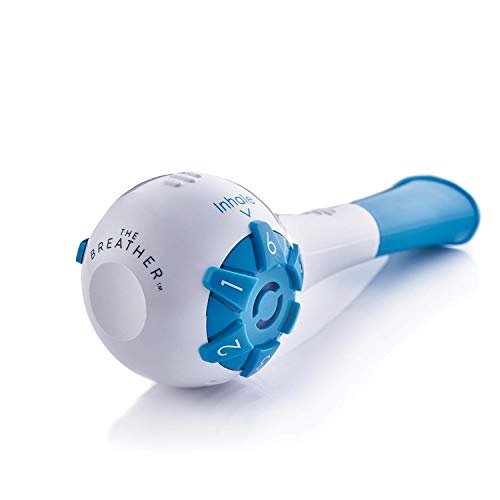
- Resistance training for inhale and exhale muscles
- Includes online video protocol training
- Supports diaphragmatic breathing and respiratory fitness
Best For: People seeking a drug-free breathing trainer with guided setup and therapy-style use.
Best for Small Spaces
EXPAND-A-LUNG Breathing Exerciser

- Wide resistance range for beginner-to-advanced training
- Compact, travel-friendly 4-inch design
- Washable silicone mouthpiece with no batteries needed
Best For: Athletes and active users who want a portable breathing trainer with simple resistance adjustment.
Best for Adjustable Breathing Training

- Adjustable resistance for progressive workouts
- Trains both inhale and exhale
- Includes silicone mouthpiece and carrying case
Best For: Athletes, swimmers, musicians, and anyone building breathing stamina.
Best for Gentle Training

- Simple 3-ball visual feedback
- Low-resistance, easy daily use
- Easy to clean and reassemble
Best For: People who want a gentle, no-fuss breathing trainer for daily respiratory practice.
Best for Mucus Clearance
Flutter Valve Breathing Trainer
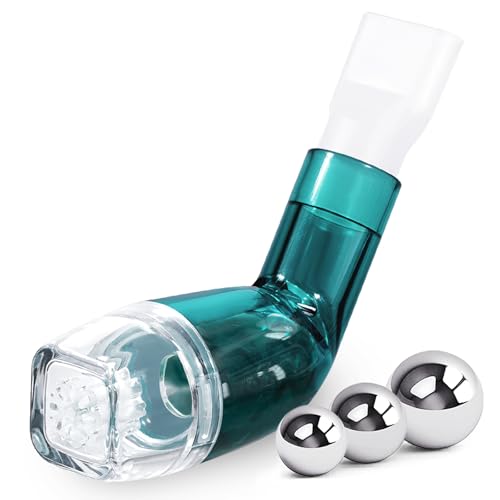
- Helps loosen mucus while supporting breathing exercises
- Adjustable resistance with three steel balls
- Portable, battery-free, and easy to clean
Best For: Users who want a simple breathing trainer for mucus clearance and adjustable lung exercise.
Best for Guided Breathing Training – THE BREATHER Natural Breathing Exerciser
If you want a lung capacity trainer that goes beyond simple breathing exercises, The Breather is built for structured respiratory resistance training. It is designed to help strengthen inhale and exhale muscles, support diaphragmatic breathing, and make home training feel more guided and practical.
Best For: People who want a drug-free, at-home breathing trainer with included video guidance for respiratory therapy and everyday lung-strength training.
Pros:
- Provides resistance training for both inhalation and exhalation
- Includes online video protocol training for therapists, patients, and consumers
- Supports diaphragmatic breathing and respiratory fitness
- Simple, portable design for regular home use
Cons:
- Not a substitute for medical treatment or diagnosis
- Results depend on consistent use and proper technique
- May feel more specialized than basic breathing gadgets
This lung capacity trainer is a smart pick if you want a more structured, therapy-style approach instead of a generic breathing tool. The included training helps make it easier to use correctly, which is a plus for buyers focused on building respiratory strength over time.
Best for Adjustable Resistance – Portable Adjustable Lung Trainer
If you want a simple lung capacity trainer you can use at home, in the gym, or on the go, this adjustable breathing device is built around convenience and control. The silicone body feels flexible and easy to clean, while the rotary valve lets you fine-tune resistance as your breathing exercises become more demanding.
Best For: Athletes, runners, swimmers, and fitness users who want a compact breathing trainer with adjustable resistance for daily respiratory workouts.
Pros:
- Adjustable resistance makes it easier to match different training levels.
- Compact, lightweight design is simple to carry and use anywhere.
- Soft silicone construction is comfortable and easy to maintain.
Cons:
- No app, tracking, or guided workout features.
- Training effectiveness depends on consistent daily use and proper technique.
For buyers who want a practical lung capacity trainer rather than a feature-heavy device, this model covers the basics well: adjustable resistance, portable sizing, and straightforward use. It makes the most sense for users focused on breathing endurance and sports conditioning.
Best for Adjustable Training – Breathing Exercise Device for Lungs
If you want a straightforward lung capacity trainer for daily breathing practice, this model keeps the focus on control, consistency, and gradual progress. The built-in airflow indicator and adjustable target slider make it easier to track effort while building a steadier breathing rhythm over time.
Best For: Adults who want a durable, easy-to-monitor breathing exercise device for regular lung training and progress tracking.
Pros:
- Built-in airflow indicator helps guide controlled, steady breathing
- Adjustable target slider makes it easy to set and track goals
- Medical-grade PC material adds durability and shatter resistance
- Clear scale supports simple progress monitoring
Cons:
- Basic design may feel limited for users wanting advanced features
- Focuses on training support rather than clinical-level measurement
Overall, this lung capacity trainer is a solid pick if you value durability and simple adjustability over extra complexity. It’s best suited to consistent home use where steady breathing practice and easy goal-setting matter most.
Best for Small Spaces – EXPAND-A-LUNG Breathing Exerciser
If you want a straightforward lung capacity trainer you can use at home, in the gym, or on the go, the EXPAND-A-LUNG keeps the formula simple: adjustable resistance, no batteries, and a compact build. It’s aimed at people who want to train breathing muscles consistently rather than rely on a complicated device.
Best For: Athletes, hikers, singers, and fitness users who want a portable, adjustable breathing exerciser for daily endurance work.
Pros:
- Wide resistance range makes it suitable for beginners and advanced users.
- Compact 4-inch design is easy to pack for travel or training sessions.
- Soft silicone mouthpiece and washable construction make upkeep simple.
- Made in the USA and designed for repeat daily workouts.
Cons:
- Manual resistance training takes consistent use to notice results.
- No digital tracking or guided workout feedback.
As a lung capacity trainer, this model stands out most for its adjustable resistance and no-fuss design, making it a practical pick if you want to build breathing endurance with a basic routine. It’s less about high-tech features and more about reliable, repeatable training.
Best for Progress Tracking – Breathing Exercise Device for Lungs
If you want a straightforward lung capacity trainer for daily breathing practice, this device keeps the focus on consistency, measurement, and gradual improvement. Its adjustable target slider and clear scale make it easy to set goals and monitor your breathing routine over time.
Best For: Adults who want a simple, durable trainer for supporting respiratory exercise, recovery routines, or at-home breathing practice.
Pros:
- Adjustable target slider helps you set and track breathing goals.
- Medical-grade shatterproof PC construction is built for regular use.
- Clear scale makes progress monitoring simple and practical.
Cons:
- Very basic design compared with more advanced respiratory trainers.
- Best suited for guided breathing exercises, not standalone treatment.
As a lung capacity trainer, this model stands out for ease of tracking and durable build quality rather than extra features. It is a solid pick if you want a no-fuss device that supports a more deliberate breathing habit.
Best for Adjustable Breathing Training – Inhale Lung Trainer
If you want a practical lung capacity trainer that can grow with your routine, the Inhale Lung Trainer is a solid pick. It offers adjustable, bi-directional resistance for both inhale and exhale work, plus a medical-grade silicone mouthpiece and a carry case for easy daily use.
Best For: Athletes, swimmers, musicians, and everyday users who want a simple, adjustable breathing exercise device.
Pros:
- Adjustable resistance for progressive breathing workouts
- Bi-directional design trains both inhale and exhale
- Medical-grade silicone mouthpiece is removable and easy to clean
- Made and assembled in the USA with a carrying case included
Cons:
- Not a medical treatment device
- Resistance-based training may feel too easy at the lowest setting for advanced users
As a lung capacity trainer, it stands out for its straightforward setup, portable design, and easy progression from light to harder resistance. It is a good fit if you want a durable trainer you can use at home, at the gym, or on the go.
Best for Gentle Training – 3-Ball Breathing Trainer
If you want a simple lung capacity trainer without confusing settings or resistance scales, this 3-ball breathing exercise device is built for easy daily practice. It gives clear visual feedback as you inhale, making it a practical choice for steady breathing work at home or during recovery.
Best For: People who want a low-resistance, easy-to-follow breathing trainer for gentle daily respiratory support.
Pros:
- 3-ball design provides straightforward visual feedback while you breathe in
- Low-complexity setup is easy to use for home practice or recovery support
- Disassembles for cleaning and includes flexible parts for more comfortable positioning
- No measurements or complicated controls to learn
Cons:
- Not a measured trainer, so it won’t suit users who want tracked resistance levels
- Best for gentle breathing practice rather than intensive training
This lung capacity trainer is a solid pick if you value simplicity and visual pacing over performance metrics. It’s especially useful for anyone looking to build a consistent breathing habit with minimal fuss.
Best for Mucus Clearance – Flutter Valve Breathing Trainer
If you want a practical lung capacity trainer that also helps with airway clearance, this flutter valve device is built for both. The adjustable resistance and portable, battery-free design make it easy to use consistently at home or while traveling.
Best For: People who want a simple breathing exerciser that can help loosen mucus and provide adjustable lung training.
Pros:
- Flutter valve design helps loosen mucus and support airway clearance
- Three steel balls allow adjustable resistance for different training levels
- Compact, lightweight, and does not require batteries
- Durable medical-grade PC construction with a transparent body
Cons:
- Not as feature-rich as electronic breathing trainers
- Resistance levels may feel basic for advanced users
- Primarily geared toward mucus clearance and exhalation training
This is a smart pick if you want a straightforward lung capacity trainer that emphasizes daily use, portability, and mucus-clearing support over high-tech extras.
Best for Measured Breathing Training – 5000ml Lung Exerciser with Flow Indicator
If you want a practical lung capacity trainer for steady, self-paced breathing work, this 5000ml volumetric exerciser is built around control and progress tracking. The large chamber, visible markings, and flow rate indicator make it easier to train inhale depth without guessing.
Best For: Adults who want a simple lung capacity trainer for daily breathing exercises, recovery support, or basic respiratory conditioning.
Pros:
- Large 5000ml capacity supports gradual deep-breathing workouts
- Flow rate indicator helps you keep inhale speed in the right range
- Clear volume markings make progress easy to monitor over time
- Detachable tube and mouthpiece simplify cleaning and storage
Cons:
- Requires reading the manual to use correctly and consistently
- Bulkier than very compact incentive spirometers
- Focused on breathing practice, not a medical treatment device
Overall, this lung capacity trainer is a solid pick if you value visual feedback and a larger training range more than advanced features. It’s especially appealing for users who want a straightforward way to build a routine and track breathing depth over time.
Best for Controlled Breathing Practice – Deep Breathing Trainer for Lungs
If you want a straightforward lung capacity trainer for daily breathing drills, this volumetric exerciser is built around controlled, repeatable practice. The middle setting is designed to help you maintain steady inhalation while tracking progress with clear volume markings.
Best For: Adults who want a simple breathing tool for general wellness, post-activity recovery, or respiratory rehab support.
Pros:
- Clear volume markings make it easy to monitor breathing progress over time.
- Middle-position guidance helps support steady, controlled breaths.
- Flexible tube and mouthpiece can be adjusted for different positions.
- Disassembles for cleaning and includes built-in storage for the parts.
Cons:
- Not a high-tech tracker; progress is manual and visual.
- Best results depend on consistent daily use and proper technique.
As a lung capacity trainer, this device is a practical fit for people who want simple structure rather than advanced features. It focuses on routine breathing work, easy cleaning, and measurable volume goals, which makes it a solid pick for everyday respiratory maintenance.
How We Picked These Lung Capacity Trainers
We focused on the features buyers actually use: adjustable resistance, ease of cleaning, build quality, portability, and whether the design suits casual breathing practice, athletic conditioning, or recovery support. We also favored products with clear airflow control and practical form factors that are easy to keep in a routine.
Quick Comparison
Some Lung Capacity Trainer models are built for simple daily breathing drills, while others offer more structured resistance or dual-way airflow for deeper training. A few are better for gentle post-activity recovery, and others are more performance-oriented for sports endurance. Match the device style to your goal rather than choosing the highest resistance available.
Key Buying Factors for a Lung Capacity Trainer
Resistance and Adjustability
Adjustable resistance gives you room to start comfortably and progress over time. Beginners usually benefit from a wider low-end range, while experienced users may want finer control for incremental training.
Comfort and Fit
A mouthpiece should feel secure without being awkward or fatiguing. Comfortable materials and a stable grip matter if you plan to use the device daily.
Material Quality and Cleaning
Look for durable, non-irritating materials that can handle repeated use. Devices that disassemble easily are simpler to clean, which is important for hygiene and long-term use.
Training Style
Some models support resistance breathing, others emphasize airflow control, and some are designed for mucus clearance or recovery. Choose the format that aligns with your goal, whether that is general conditioning, respiratory therapy support, or post-workout breathing practice.
Portability and Routine Use
A compact Lung Capacity Trainer is easier to keep near your desk, gym bag, or bedside table. The easier it is to access, the more likely you are to stay consistent.
Who Should Buy Which Lung Capacity Trainer?
Beginners and general wellness users should look for simple, adjustable models that are easy to understand and use regularly. Athletes and endurance-focused buyers may prefer stronger resistance control and airflow training features. If you’re prioritizing recovery or respiratory comfort, a gentler device with straightforward use may be the best match. For mucus clearance or specialized breathing support, choose a design made for that purpose rather than a general exercise trainer.
The best Lung Capacity Trainer is the one you can use consistently, safely, and with a clear purpose. Start with comfort, then narrow by resistance range, build quality, and training focus.