Looking for a portable heart rhythm monitor that fits your routine, device setup, and budget? The best options make it easy to capture a quick reading at home or on the go.
Below, we focus on the most useful features for everyday buyers: accuracy, compatibility, ease of use, and whether you need a simple spot-check device or a more advanced ECG monitor.
Best 9 Portable Heart Rhythm Monitor Picks for 2026
Best for Simple At-Home Checks
KardiaMobile 1-Lead EKG Monitor

- 30-second single-lead EKG readings
- Detects AFib, tachycardia, bradycardia, and normal rhythm
- Pocket-size design with no required subscription
Best For: People who want a quick, portable way to check heart rhythm at home or on the go.
Best for Smartphone/PC Sync
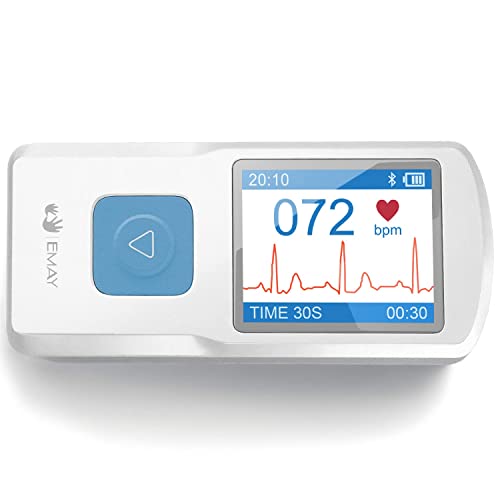
- Lead I ECG recording with heart rate display
- Bluetooth phone pairing and USB PC connection
- Rechargeable battery with review and measurement software
Best For: Home users who want a simple OTC ECG monitor with app and PC connectivity.
Best for Detailed ECG Readouts
KardiaMobile 6L Max EKG Monitor

- Six-lead ECG for more detailed heart rhythm data
- FDA-cleared readings in about 30 seconds
- Includes one year of KardiaCare and unlimited recordings
Best For: People who want a more detailed at-home ECG monitor with app-based tracking and cardiologist review options.
Best No-Subscription Pick

- No subscription or hidden app fees
- Bluetooth phone and USB PC connectivity
- Records ECG signals and heart rate
Best For: Home users who want an OTC ECG monitor with flexible device connectivity and no recurring cost.
Best for Real-Time Training
Scosche Rhythm+ 2.0 Heart Rate Armband

- Comfortable armband design for active workouts
- Bluetooth and ANT+ broad compatibility
- HRV/RRi data plus IP68 waterproofing
Best For: Runners, cyclists, and gym users who want a comfortable, connected heart-rate armband.
Best Wallet-Sized Pick
KardiaMobile Card Credit-Card EKG Monitor
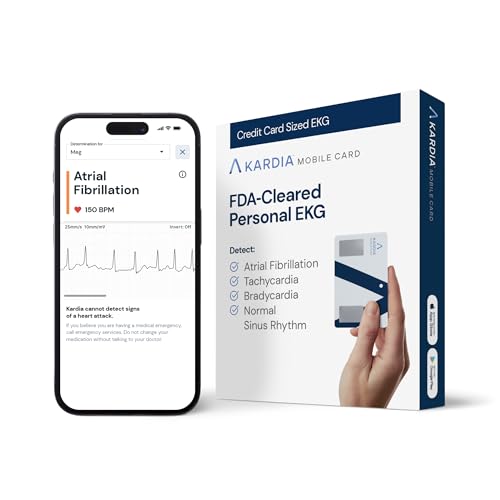
- Fits in a wallet thanks to its credit-card size
- Bluetooth EKG readings in about 30 seconds
- No subscription required for core monitoring
Best For: People who want a slim, always-with-you monitor for quick rhythm checks.
Best for Quick Checks

- 30-second readings for fast spot checks
- Works on hand, ankle, or chest
- OLED display and app tracking for easy review
Best For: People who want a compact monitor for quick at-home or on-the-go rhythm checks.
Best for Fast Readings
Beurer Cardio Companion ME75 EKG Monitor

- 30-second 3-lead ECG readings
- Optional Bluetooth app with unlimited storage
- Rechargeable and FSA/HSA eligible
Best For: People who want a quick, portable home ECG monitor with optional app tracking.
Best for Multi-Mode ECG Tracking
Portable ECG Monitor with LCD Screen

- 30-second ECG readings with analysis
- Bluetooth and cable data transfer
- No subscription required
Best For: People who want a compact ECG monitor for quick at-home checks and easy sharing.
Best for Simple At-Home Checks – KardiaMobile 1-Lead EKG Monitor
If you want a portable heart rhythm monitor that is quick to use and easy to carry, KardiaMobile is a practical pick. It records a single-lead EKG in about 30 seconds through your smartphone, making it useful for spot checks at home, work, or on the go.
Best For: Users who want a pocket-size, FDA-cleared heart monitor for fast rhythm checks without a subscription.
Pros:
- Records a medical-grade 30-second EKG from a device small enough to fit in a pocket
- Detects normal sinus rhythm, AFib, tachycardia, and bradycardia with easy-to-read results
- Works with a smartphone or tablet and requires no cords, Wi-Fi, or Bluetooth setup
- No subscription needed for core use, with optional KardiaCare upgrades available
Cons:
- Single-lead readings are less comprehensive than multi-lead medical EKG systems
- Does not check for heart attack and is not intended to replace regular medical care
- Not recommended for use with pacemakers or ICDs
For shoppers comparing a portable heart rhythm monitor, KardiaMobile stands out for its fast results, tiny size, and low-friction setup. It is a strong choice if you mainly need a convenient way to capture rhythm snapshots and share them with a doctor.
Best for Smartphone/PC Sync – EMAY Portable ECG Monitor
EMAY Portable ECG Monitor | Record ECG and Heart Rate | Compatible with Smartphone and PC
Check Price On AmazonIf you want a portable heart rhythm monitor for at-home spot checks, the EMAY Portable ECG Monitor is built for simple Lead I recordings, heart rate display, and easy review through either a phone or PC.
Best For: Buyers who want a compact OTC ECG monitor with Bluetooth and USB connectivity for home tracking and case review.
Pros:
- Records and stores Lead I ECG signals with heart rate readout
- Connects to smartphones via Bluetooth and PCs via USB
- Includes software tools like sample mode, case upload, review, and measurement
- Rechargeable battery makes it convenient for repeated use at home
Cons:
- Not a substitute for a hospital diagnostic ECG
- Implanted pacemaker users are not recommended to use it
- Lead I only, so it’s more of a spot-check tool than a full clinical system
This portable heart rhythm monitor makes sense if you prioritize easy data transfer and home convenience over clinical-grade diagnostic features. It’s a practical pick for tracking symptoms, storing readings, and reviewing results on devices you already use.
Best for Detailed ECG Readouts – KardiaMobile 6L Max EKG Monitor
If you want a portable heart rhythm monitor that gives you more context than a basic single-lead device, the KardiaMobile 6L Max is a strong pick. It records a six-lead, medical-grade ECG in about 30 seconds and includes FDA-cleared rhythm determinations, making it useful for spotting patterns you may want to share with a clinician.
Best For: People who want a more detailed at-home ECG monitor with cardiologist review options and smartphone convenience.
Pros:
- Six-lead ECG captures more detail than standard pocket monitors
- Detects several common arrhythmias, including AFib, PVCs, and SVE
- Includes one year of KardiaCare with EKG reviews and health insights
- Unlimited recordings make it easy to track symptoms over time
Cons:
- Requires the included KardiaCare membership to use the 6-lead features
- Extra cardiologist reviews and telehealth visits can add cost
Overall, this is a good fit if you want a portable heart rhythm monitor that goes beyond quick spot checks and supports more informed conversations with your doctor. The added membership features make it especially appealing for people who want ongoing monitoring rather than a one-time reading.
Best No-Subscription Pick – EMAY 6L Portable ECG Monitor
If you want a portable heart rhythm monitor for at-home spot checks without paying for a recurring service, the EMAY 6L is a practical option. It records ECG signals, shows heart rate, and works with both smartphone and PC, making it easy to review readings and save cases for later.
Best For: Home users who want an OTC ECG monitor with app and computer connectivity and no subscription fees.
Pros:
- No subscription or hidden app cost required
- Connects by Bluetooth to a phone or USB to a PC
- Records and stores ECG signals with heart rate display
- Rechargeable battery supports portable use
Cons:
- Not a replacement for a hospital diagnostic ECG device
- Implanted pacemaker users are not recommended to use it
- OTC-focused design is less suitable for clinical workflows
For buyers comparing a portable heart rhythm monitor, the EMAY 6L stands out for its low ongoing cost and flexible viewing options. It is a solid pick if you want straightforward ECG recording at home and value app-based review over medical-grade clinical features.
Best for Real-Time Training – Scosche Rhythm+ 2.0 Heart Rate Armband
If you want a portable heart rhythm monitor that works cleanly during workouts, the Scosche Rhythm+ 2.0 is a practical pick. It uses an optical sensor for continuous heart-rate tracking and adds Bluetooth and ANT+ support, so it can connect with a wide range of fitness watches, bikes, and training apps.
Best For: Runners, cyclists, and gym-goers who want a comfortable armband monitor with strong device compatibility and long battery life.
Pros:
- Comfortable armband design stays out of the way during training
- Bluetooth and ANT+ make it easy to pair with many devices
- Tracks HRV and RRi data for more detailed workout feedback
- IP68 waterproofing and 24-hour battery life suit regular use
Cons:
- Not a full watch-style fitness tracker
- Armband fit may take a little adjustment for the best signal
Overall, this is a strong portable heart rhythm monitor for people who care more about accurate, unobtrusive heart-rate data than extra smartwatch features. It’s especially appealing if you train across multiple devices and want something simple to wear, easy to sync, and ready for frequent sessions.
Best Wallet-Sized Pick – KardiaMobile Card Credit-Card EKG Monitor
If you want a portable heart rhythm monitor that’s easy to keep with you every day, KardiaMobile Card stands out for its true credit-card form factor and fast Bluetooth EKG readings. It records medical-grade results in about 30 seconds, works with most smartphones, and doesn’t require a subscription for the core features.
Best For: People who want a slim, wallet-friendly monitor for quick rhythm checks at home or on the go.
Pros:
- Ultra-thin, credit-card size design fits in a wallet
- Bluetooth connection delivers EKG readings in about 30 seconds
- No subscription required for core heart rhythm checks
- Detects AFib, bradycardia, tachycardia, and normal sinus rhythm
Cons:
- Not suitable for pacemakers or ICDs
- Does not detect heart attacks or replace regular medical care
- Optional advanced features cost extra through KardiaCare
For buyers who value portability above all else, this is one of the easiest portable heart rhythm monitor options to keep on hand. It’s a strong fit if you want a simple, quick way to capture symptoms and share results with a clinician without carrying bulky hardware.
Best for Quick Checks – Portable Heart Rate Monitor
If you want a portable heart rhythm monitor that gives you a fast read without a complicated setup, this model is built for quick spot checks at home or on the go. The 30-second measurement window, multiple placement options, and app syncing make it easy to capture and review results when you want a simple way to stay informed.
Best For: Users who want a compact, easy-to-carry monitor for quick heart rhythm checks and app-based tracking.
Pros:
- 30-second measurements deliver quick readings when you need them
- Three placement methods add flexibility for hand, ankle, or chest use
- OLED screen lets you review rhythms without relying on your phone
- Compact design and long battery life suit travel and daily carry
Cons:
- Not a full medical monitor replacement for professional diagnosis
- App pairing may be unnecessary if you only want simple on-device checks
Overall, this portable heart rhythm monitor stands out for convenience more than complexity, making it a practical choice if you want fast, everyday tracking with easy app access and a pocketable design.
Best for Fast Readings – Beurer Cardio Companion ME75 EKG Monitor
If you want a portable heart rhythm monitor that delivers a quick, private check at home, the Beurer Cardio Companion ME75 is built around speed and simplicity. It records a 3-lead ECG in under 30 seconds, shows real-time results on a bright color display, and can flag irregular heart rhythms for easy follow-up.
Best For: People who want a fast, easy-to-use home ECG monitor with optional app syncing and a rechargeable design.
Pros:
- Gets a reading in about 30 seconds with real-time display feedback
- 3-lead measurement supports multiple placement options for convenience
- Optional Bluetooth app stores unlimited readings, while the device keeps up to 100 locally
- Rechargeable, compact, and FSA/HSA eligible
Cons:
- Not suitable for people with pacemakers or certain implanted devices
- Accuracy depends on correct placement and avoiding skin-to-skin contact
- App use is optional, but setup may still feel more involved than a basic fingertip checker
This is a strong portable heart rhythm monitor for buyers who value fast results and flexible tracking without needing a bulky medical setup. It makes the most sense if you want a home ECG tool that can be used casually day to day, yet still offers app-based recordkeeping when you need it.
Best for Multi-Mode ECG Tracking – Portable ECG Monitor with LCD Screen
If you want a portable heart rhythm monitor that feels more capable than a basic pulse checker, this ECG device is a practical pick. It gives quick readings in about 30 seconds, supports multiple measurement positions, and lets you review or share results from your phone or computer.
Best For: People who want an easy-to-carry ECG monitor for at-home checks, travel, and sharing readings with a doctor or family member.
Pros:
- 30-second ECG readings with professional-style analysis
- Multiple monitoring modes for broader measurement options
- Bluetooth and cable transfer to phones or computers
- No subscription required
Cons:
- Not a replacement for medical diagnosis or emergency care
- Small screen may feel limited for users who want larger displays
- Best results depend on proper placement and steady use
For buyers comparing a portable heart rhythm monitor, this model stands out for its mix of compact size, quick readings, and easy data sharing. It’s a strong choice if you want a lightweight ECG tool that can help you track changes over time without paying for ongoing service.
How We Picked These Portable Heart Rhythm Monitor Options
We prioritized devices that are easy to use, reasonably portable, and relevant to common buyer needs such as home checks, travel, exercise tracking, and smartphone syncing. We also looked for clear product positioning, practical features like app support or built-in displays, and options that serve different budgets and use cases.
Because heart-monitoring needs vary, our goal was not to crown one universal winner. Instead, we selected a range of devices that can help different users compare basic rhythm checks, more detailed ECG readings, and fitness-focused heart-rate tracking.
Quick Comparison: What Kind of Device Do You Need?
Some picks are true ECG-style monitors designed to capture heart rhythm readings, while others are better suited to heart-rate tracking during exercise. That distinction matters.
If your main goal is rhythm awareness or spot-checking irregular beats, look for ECG capability, fast readings, and app connectivity. If you want workout data such as HRV or continuous heart-rate feedback, a fitness armband may be the better fit. A Portable Heart Rhythm Monitor should match the way you plan to use it, not just the feature list.
Key Buying Factors for a Portable Heart Rhythm Monitor
Lead Type and Reading Detail
Single-lead devices are typically the most compact and convenient, while multi-lead models can provide more detailed recordings. If you want a simpler check for AFib or irregular rhythms, a 1-lead model may be enough. If you prefer more data for review, consider a 6-lead or 3-lead option.
App, Bluetooth, and Export Features
Many buyers want results on a phone, especially if they plan to share readings with a clinician. Bluetooth, smartphone compatibility, and PC support can make recordkeeping much easier. If you value convenience, make sure the companion app is straightforward and your device supports your phone’s operating system.
Subscription and Ongoing Costs
Some monitors include memberships or premium features, while others work without a subscription. If you only need occasional checks, a no-subscription device may be the better value. If you want more analysis tools or stored records, a bundled membership may be worth considering.
Portability and Everyday Use
Size matters. Credit-card-sized monitors are easier to keep in a bag or pocket, while models with built-in screens may be simpler for users who do not want to rely on a phone every time. For exercise, an armband or wearable format may be more comfortable.
Who Should Buy Which Portable Heart Rhythm Monitor?
Choose a basic single-lead monitor if you want fast, simple heart rhythm checks and maximum portability. Choose a multi-lead device if you want more detailed ECG data or a stronger at-home monitoring setup. Choose a fitness-oriented heart rate device if your main focus is training, recovery, and heart-rate trends rather than rhythm diagnosis.
In short, the best Portable Heart Rhythm Monitor is the one that matches your daily routine, preferred level of detail, and comfort with app-based tracking.