The best foam rollers for Pilates can support balance exercises, improve positioning, and make stretching or recovery more comfortable. The right choice depends on firmness, length, stability, and how aggressively you want to massage tight muscles.
We compared 10 popular options across full-length Pilates rollers, compact travel models, and textured designs so you can choose a roller that fits your routine, space, and comfort level.
Best 10 Foam Rollers for Pilates Picks for 2026
Best Overall
Amazon Basics 36-Inch High-Density Roller
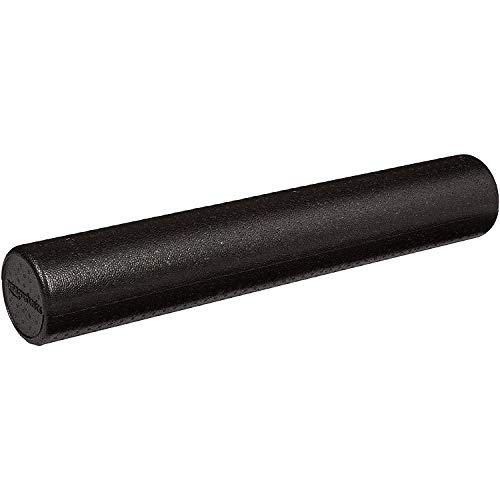
- Long 36-inch design for full-body exercises
- Firm polypropylene maintains its shape
- Lightweight and easy to clean
Best For: Full-length Pilates, stretching, and balance exercises
Best Soft Option
OPTP PRO-Roller Soft Density 36-Inch

- Soft closed-cell EVA foam
- Full 36-inch length for positioning
- Suitable for Pilates, yoga, and rehabilitation
Best For: Gentle positioning, mobility work, and self-massage
Best Targeted Massage
321 STRONG 3-Zone Massage Roller
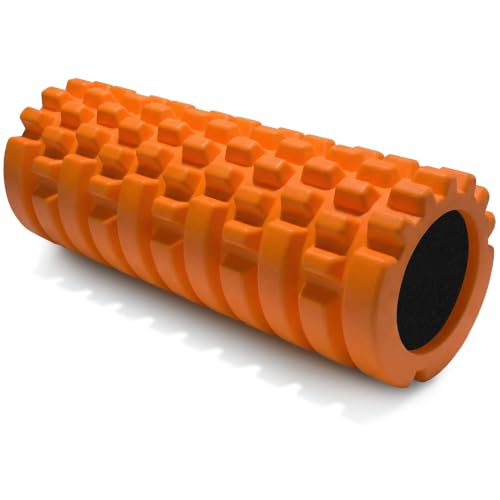
- Three zones provide varied massage pressure
- Medium-density EVA over an EPP core
- Compact 12.5-inch design for portability
Best For: Focused muscle recovery and targeted stretching
Best Textured Design
TriggerPoint GRID 1.0 13-Inch Roller

- Textured ridges and nodules target key areas
- Extra-firm hollow core for deeper compression
- Durable EVA construction for repeated use
Best For: Firm, targeted muscle recovery and mobility work
Best All-Around Pick
Amazon Basics 18-Inch High-Density Foam Roller
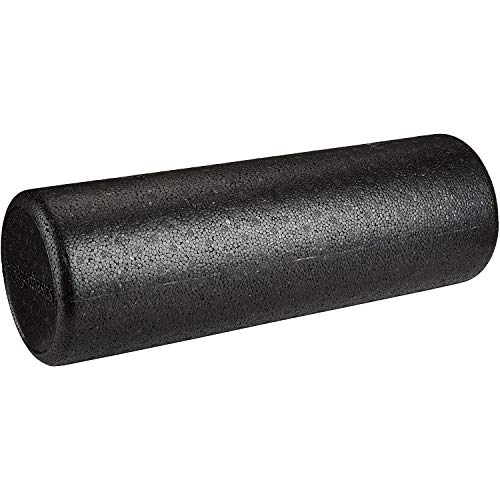
- Firm polypropylene construction
- Lightweight and easy to carry
- Suitable for balance and recovery work
Best For: Whole-body Pilates, flexibility, and recovery exercises
Best for Targeted Recovery
Fitizen Firm Textured Foam Roller

- Firm EVA foam construction
- Raised texture for targeted pressure
- Five size options available
Best For: Targeted back and leg mobility and recovery work
Best for Longer Coverage
Amazon Basics 24-Inch Foam Roller

- Long 24-inch support surface
- Firm polypropylene construction
- Easy to reposition and clean
Best For: Longer-format Pilates, balance, and muscle-therapy exercises
Gentle Recovery Pick
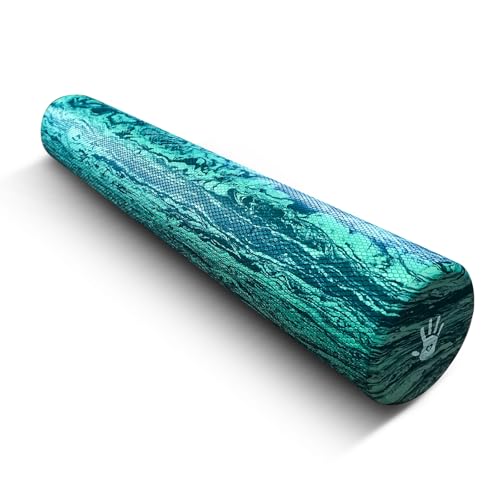
- Soft pressure for sensitive muscles and beginners
- 36-inch length supports stretching and balance
- Non-porous surface wipes clean easily
Best For: Gentle Pilates, rehabilitation, and recovery
Simple Full-Length Choice
Amazon Basics High-Density Roller

- Firm support for balance and strengthening
- Full 36-inch length for flexibility work
- Lightweight and easy to clean
Best For: Firm Pilates support and general exercise
Deep-Pressure Pick

- Firm pressure for deep tissue recovery
- Durable EPP foam resists flattening
- Portable for home, gym, or travel
Best For: Advanced users and post-workout muscle release
Best Overall – Amazon Basics 36-Inch High-Density Roller
For shoppers comparing foam rollers for pilates, this 36-inch Amazon Basics model offers a straightforward, full-length surface for balance, strengthening, flexibility work, and general recovery. Its firm polypropylene construction is lightweight, easy to reposition, and simple to wipe clean.
Best For: Pilates users who want a long, firm roller for exercise and stretching.
Pros:
- 36-inch length supports full-body positioning and exercise work.
- Firm polypropylene construction is designed to maintain its shape.
- Lightweight and easy to carry to class or move during workouts.
- Molded edges add comfort, while the surface wipes clean easily.
Cons:
- Its firm density may feel less forgiving than a soft roller.
- The 36-inch size takes up more storage space than compact rollers.
This is a practical choice when length, durability, and easy maintenance matter more than textured massage features.
Best Soft Option – OPTP PRO-Roller Soft Density 36-Inch
Among foam rollers for pilates, the OPTP PRO-Roller stands out for its soft-density feel and full 36-inch length. Its closed-cell EVA foam is intended for Pilates, yoga, balance, mobility, rehabilitation, positioning, and self-massage, while the wipe-clean surface suits regular studio or home use.
Best For: Pilates practitioners who prefer a softer roller for positioning, mobility, and gentle self-massage.
Pros:
- Soft-density EVA foam is suited to positioning and releasing tight areas.
- 36-inch by 6-inch dimensions provide a standard full-length format.
- Closed-cell construction is durable and easy to wipe clean.
- Versatile enough for Pilates, yoga, balance, stability, and rehabilitation.
Cons:
- Soft foam may provide less intense pressure than firmer rollers.
- The full-length design is less compact for storage or transport.
Choose this model if comfort and versatility are priorities, especially for exercises that require supported positioning rather than deep, firm pressure.
Best Targeted Massage – 321 STRONG 3-Zone Massage Roller
If your foam rollers for pilates search includes targeted muscle work, the 321 STRONG adds three massage zones to a compact 12.5-inch design. Its medium-density EVA foam over an EPP core uses differently sized projections to vary pressure across muscles and fascia.
Best For: Users who want a portable roller with adjustable-feeling zones for targeted recovery and stretching.
Pros:
- Three projection zones let you vary massage intensity.
- Medium-density construction balances pressure with comfort.
- Compact 12.5-inch format is easy to store and carry.
- Strong, lightweight core is designed not to deform or flex under substantial weight.
Cons:
- Shorter length offers less support for full-body Pilates positioning.
- Textured projections may feel too intense for users seeking a smooth roller.
This is better viewed as a targeted recovery and massage tool than a traditional full-length Pilates support roller, making it useful for focused work on the back, arms, feet, and other areas.
Best Textured Design – TriggerPoint GRID 1.0 13-Inch Roller
For foam rollers for pilates shoppers who want a textured surface, the TriggerPoint GRID 1.0 combines ridges and nodules with a compact 13-inch format. Its multi-density pattern is intended to support muscle recovery and targeted rolling, while the EVA-wrapped hollow core delivers firmer compression than traditional foam rollers.
Best For: Users who want a firm, textured roller for targeted muscle recovery and mobility work.
Pros:
- Three-dimensional GRID surface offers varied rolling sensations.
- Different ridges and nodules help target specific body areas.
- Extra-firm, hollow-core design provides deeper compression.
- Durable EVA construction is designed to maintain its shape with repeated use.
Cons:
- Extra-firm texture may be uncomfortable for beginners or sensitive muscles.
- 13-inch length is less suitable for full-body positioning than a 36-inch roller.
The GRID 1.0 is a strong fit when targeted, firm recovery is more important than a smooth surface or long support area for Pilates exercises.
Best All-Around Pick – Amazon Basics 18-Inch High-Density Foam Roller
Amazon Basics High-Density Foam Roller for Exercise and Recovery, 18 Inches, Black
Check Price On AmazonFor shoppers comparing foam rollers for pilates, this 18-inch Amazon Basics model offers a practical balance of firm support, portability, and easy cleanup. Its smooth polypropylene construction is suited to balance, strengthening, flexibility, and recovery exercises.
Best For: Pilates users who want a firm, lightweight roller for whole-body exercises and recovery.
Pros:
- Firm, high-density polypropylene maintains its shape.
- Useful for balance, strengthening, flexibility, and recovery exercises.
- Lightweight and easy to carry or reposition.
- Molded edges add comfort, and the surface wipes clean easily.
Cons:
- The 18-inch length offers less coverage than a longer roller.
- Its firm construction may not suit users seeking softer cushioning.
This is a straightforward choice for Pilates routines that need dependable support without a bulky design. The 6-inch diameter and 18-inch length provide a versatile format for home workouts or taking to class.
Best for Targeted Recovery – Fitizen Firm Textured Foam Roller
Among foam rollers for pilates, the Fitizen stands out for targeted back and leg work. Its firm EVA foam and raised texture are designed for deeper pressure, while the compact Mini size is easy to use in a home gym or mobility routine.
Best For: Pilates and mobility users focused on firm, targeted back and leg recovery.
Pros:
- Firm, lightweight EVA foam is designed to hold its shape.
- Raised texture targets sore areas for deep-tissue and myofascial work.
- Useful for yoga, Pilates, physical therapy, mobility, and recovery routines.
- Available in five sizes, from 12 x 4 inches to 36 x 6 inches.
Cons:
- The supplied Mini version measures 12 x 4 inches, limiting overall coverage.
- Its textured surface and firm feel may be intense for users preferring gentle rolling.
The Fitizen is a focused option when targeted pressure matters more than a large rolling surface. Choosing among its five available sizes also makes it easier to match the roller to a specific Pilates or recovery setup.
Best for Longer Coverage – Amazon Basics 24-Inch Foam Roller
Amazon Basics High Density Foam Roller for Exercise and Recovery, 24 Inches, Black
Check Price On AmazonFor foam rollers for pilates that provide a longer support surface, this 24-inch Amazon Basics model is a practical option. It uses firm polypropylene and a 6-inch diameter for balance, strengthening, flexibility, and recovery exercises.
Best For: Pilates users who prefer a longer roller for arm, back, leg, and shoulder exercises.
Pros:
- 24-inch length provides more coverage than a compact roller.
- Firm polypropylene construction is designed to maintain its shape.
- Supports balance, strengthening, flexibility, and muscle-therapy work.
- Lightweight, easy to reposition, and simple to wipe clean.
Cons:
- The longer format may be less convenient to carry than a shorter roller.
- Its firm feel may be too intense for users seeking a softer surface.
This model makes sense for Pilates movements where a longer base can be useful across the back, legs, shoulders, or arms. It retains the simple, low-maintenance design of the Amazon Basics line while offering additional length.
Gentle Recovery Pick – Soft Density Foam Roller
If you want foam rollers for pilates that provide comfortable support rather than intense pressure, this soft-density model is a practical choice. Its 36-inch length supports full-body stretching, balance work, and gentle muscle release.
Best For: Beginners, sensitive muscles, injury recovery, and gentle Pilates or mobility sessions.
Pros:
- Soft density offers low-intensity compression for more comfortable rolling.
- Full 36-inch length supports the back, legs, hips, and balance exercises.
- Closed-cell, non-porous foam wipes clean and resists moisture absorption.
- Lightweight design is convenient for home, studio, or travel use.
Cons:
- Soft firmness may not provide enough pressure for users seeking deep tissue work.
- Its 36-inch length is less compact than shorter travel rollers.
Choose this roller when comfort and versatility matter more than aggressive pressure. It is especially well suited to gentle Pilates support, rehabilitation, and everyday flexibility work.
Simple Full-Length Choice – Amazon Basics High-Density Roller
Amazon Basics High Density Foam Roller for Exercise and Recovery, 36 Inches, Blue Speckled
Check Price On AmazonFor shoppers comparing foam rollers for pilates, this Amazon Basics model offers a straightforward firm platform for balance, strengthening, flexibility exercises, and recovery. Its full 36-inch size provides broad support during floor-based workouts.
Best For: Firm-support Pilates exercises, balance training, stretching, and users who want a durable full-length roller.
Pros:
- High-density construction provides firm support for exercise and recovery.
- 36-inch length works well for balance, strengthening, and flexibility routines.
- Firm polypropylene construction is designed to maintain its shape.
- Lightweight, portable, and easy to wipe clean.
Cons:
- Firm density may feel too intense for beginners or sensitive muscles.
- The full-length design takes up more space than a compact roller.
This is a practical option if you prefer a firm roller for structured Pilates support and general exercise. It covers the basics without adding specialized textures or features.
Deep-Pressure Pick – TONE Fitness Firm Roller
For experienced users seeking foam rollers for pilates with firm pressure, the TONE Fitness roller is designed for deep tissue massage, stretching, and recovery. Its resilient EPP foam construction is intended to withstand repeated use without flattening.
Best For: Advanced users, post-workout recovery, firm muscle release, and Pilates routines that include stretching or mobility work.
Pros:
- Firm, high-density design delivers deeper pressure for tight muscles and knots.
- Supports work on the back, legs, IT band, shoulders, and calves.
- Durable EPP foam maintains its shape during repeated use.
- Lightweight and portable for home, gym, or travel.
Cons:
- Firm pressure may be uncomfortable for beginners or highly sensitive areas.
- Users may need to reduce body weight or use a softer surface to adjust intensity.
This roller makes the most sense if you already tolerate firm pressure and want one tool for recovery, mobility, and stretching. Beginners should start gradually and control intensity with their arms or legs.
How We Picked the Best Foam Rollers for Pilates
We evaluated these rollers by considering the features that matter most during Pilates and related mobility work: length, diameter, density, surface design, versatility, and likely ease of storage. Full-length rollers can provide a more stable platform for balance and alignment exercises, while shorter models are easier to carry and store.
We also separated smooth, soft-to-medium rollers from firmer or textured massage designs. A smooth roller is often the better starting point for controlled Pilates movements, gentle stretching, and supported exercises. Textured rollers may be more useful for targeted muscle recovery, but they can feel intense during floor-based work.
Quick Comparison
| Roller Type | Best For | What to Expect |
|---|---|---|
| 36-inch smooth roller | Full-body Pilates and balance work | More support and stability |
| 24-inch roller | Home workouts and general mobility | Good balance of support and storage |
| 18-inch or 13-inch roller | Travel and targeted massage | Compact but less supportive |
| Soft-density roller | Beginners and gentle stretching | More forgiving under pressure |
| Firm or textured roller | Deep-tissue recovery | Stronger pressure and feedback |
Key Buying Factors for Foam Rollers for Pilates
Length and Stability
For Pilates exercises that involve lying along the roller or placing both hands or feet on it, a 36-inch model generally offers the most stability. A 24-inch roller can work well in smaller rooms, while compact rollers are better for portability or specific muscle areas.
Firmness and Comfort
Soft-density foam is usually more comfortable for beginners, sensitive muscles, and supported stretching. Medium-density foam offers a compromise between cushioning and control. Firm high-density rollers provide stronger feedback and tend to hold their shape under repeated use.
Surface Texture
Smooth rollers are predictable and versatile for Pilates. Grooved or multi-density surfaces can help with massage and trigger-point work, but may feel uneven during balance exercises or prolonged contact.
Storage and Durability
Measure your available storage before choosing a full-length roller. High-density foam is typically durable, but avoid leaving any foam roller in extreme heat or under heavy objects for long periods.
Who Should Buy Which Foam Rollers for Pilates?
- Beginners: Choose a soft or medium-density smooth roller for gentler support and easier adaptation.
- Dedicated Pilates users: Choose a 36-inch roller for greater stability during full-body and alignment-focused exercises.
- Small-space users: A 18- or 24-inch model offers useful versatility without taking up as much room.
- Recovery-focused shoppers: Choose a firm or textured roller if you want deeper massage in addition to Pilates support.
- Frequent travelers: A compact 13- or 18-inch roller is easier to transport, though it provides less surface area for Pilates movements.
If you are unsure, start with a smooth, medium-density roller in a length that fits your room and intended exercises. You can add a firmer massage roller later if recovery work becomes a larger part of your routine.