Carpet can make yoga and floor workouts feel unstable, especially when a thin mat bunches, sinks, or shifts under pressure. The right setup adds cushioning without sacrificing balance.
We selected 10 standout yoga mats for carpet, including extra-wide designs, thick foam mats, alignment-focused options, and a support platform for uneven surfaces. Use the guide below to match size, firmness, grip, and portability to your workout space.
Best 10 Yoga Mats for Carpet Picks for 2026
Best Stability Base
Portable Yoga Mat Support Board

- Rigid platform for carpet and uneven ground
- Splits into two panels with handles
- Water-resistant and compatible with standard mats
Best For: Practicing on soft, uneven, or outdoor surfaces
Best Extra-Wide Mat

- Generous 72 by 32-inch practice area
- 7mm TPE cushioning for joints
- Dual-sided grip and included carry strap
Best For: Home workouts needing extra space on moderately firm carpet
Best Lightweight Print Mat

- 6mm cushioning for everyday workouts
- Textured sticky surface for traction
- Lightweight design with downloadable class
Best For: Portable yoga and floor workouts on relatively firm carpet
Best Thick Cushioning

- 10mm NBR foam for enhanced cushioning
- Dual-sided ridged texture for grip
- Lightweight and includes a carry strap
Best For: Joint-sensitive users doing cushioned floor workouts on carpet
Best Cushioned Pick
Fitvids 1/2-Inch High-Density Mat

- Half-inch high-density foam
- Extra-large 71-by-24-inch surface
- Includes carrying strap
Best For: Users wanting thick cushioning and a roomy workout surface
Best Reversible Design
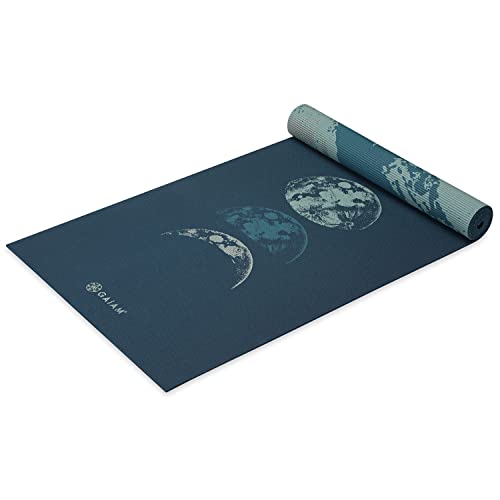
- 6mm cushioning for floor workouts
- Reversible textured non-slip surface
- Includes cinch strap and yoga class
Best For: Users who value reversible styling and moderate cushioning
Best Value Foam Pick

- Half-inch NBR foam cushioning
- Textured surface for added traction
- Includes elastic carrying strap
Best For: Home exercisers wanting a simple, padded foam mat
Best Alignment Pick

- Alignment markings support posture and symmetry
- Textured surface helps reduce slipping
- Lightweight with included shoulder harness
Best For: Beginners and portable home workouts
Best Maximum Cushioning
Retrospec Solana 1-Inch Yoga Mat
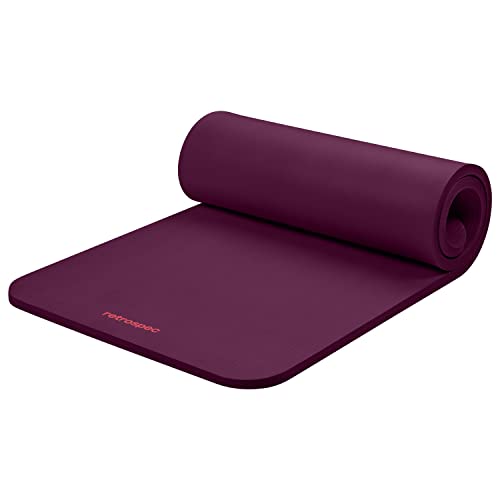
- Full 1-inch foam cushioning
- Non-slip material supports balance
- Includes a nylon carrying strap
Best For: Joint-sensitive yoga and floor workouts
Best Soft Foam Comfort

- 10mm NBR foam cushions joints
- Textured surface supports dry workouts
- Includes an adjustable carrying strap
Best For: Low-impact yoga, Pilates, and stretching
Best Stability Base – Portable Yoga Mat Support Board
For yoga mats for carpet, this support board is the most direct solution when soft flooring makes balance poses feel unstable. Its rigid, portable platform is also designed for grass and uneven outdoor surfaces.
Best For: Yogis who need a firm base beneath a standard mat on carpet, grass, or uneven ground.
Pros:
- Creates a sturdy surface for yoga, Pilates, and barre.
- Splits into two panels and includes built-in handles for transport.
- High-impact, water-resistant plastic is easy to wipe clean.
- At 73 by 28.75 inches, it accommodates most standard yoga mats.
Cons:
- At 17 pounds, it is considerably heavier than a typical yoga mat.
- It adds a separate support platform rather than replacing the mat itself.
The LifeBoard is the strongest match here when carpet softness or uneven terrain is the main concern. Choose it if stable footing matters more than having the lightest setup.
Best Extra-Wide Mat – KEEP 7mm Extra Wide Yoga Mat
If you want yoga mats for carpet with more room and cushioning, this 7mm TPE model combines an extra-wide 32-inch layout with textured grip on both sides. It can provide a more forgiving setup for home workouts, though it is still a flexible mat rather than a rigid carpet platform.
Best For: Home users who want extra space, moderate cushioning, and a lightweight mat for yoga, stretching, Pilates, and fitness.
Pros:
- Extra-wide 72 by 32-inch surface allows more room for movement.
- 7mm thickness cushions knees, elbows, and joints.
- Dual-sided anti-slip textures support grip on the mat and floor.
- Lightweight at about 2.8 pounds and includes an adjustable carry strap.
Cons:
- A flexible mat may not eliminate the instability of very soft carpet.
- It should be aired out before first use and should not be soaked.
This is a practical choice when carpet is reasonably firm and your priorities are width, cushioning, and portability. For deeply plush carpet, pair it with a firmer base.
Best Lightweight Print Mat – Gaiam Premium 6mm Yoga Mat
This Gaiam mat is a straightforward option among yoga mats for carpet when you want portable cushioning and a textured surface without a bulky setup. Its 6mm thickness supports everyday yoga and floor workouts, although carpet softness can still affect stability.
Best For: Beginners and casual users seeking a lightweight, cushioned mat for yoga, Pilates, and floor exercises.
Pros:
- 6mm thickness adds cushioning for joints.
- Textured sticky surface is designed for traction and grip.
- Lightweight 3.1-pound construction is easy to move.
- PVC is described as non-toxic and 7P free, and a downloadable yoga class is included.
Cons:
- At 68 by 24 inches, it is narrower and shorter than the extra-wide alternatives.
- The mat may have a strong but harmless initial odor and needs two to three days of airing out.
- Its flexible construction is not a substitute for a rigid carpet support board.
The Gaiam works well for regular indoor routines when you value familiar sizing, portability, and grip. Consider a support board if your carpet causes noticeable wobbling.
Best Thick Cushioning – KEEP 10mm NBR Yoga Mat
For shoppers comparing yoga mats for carpet, this 10mm NBR mat emphasizes softness and shock absorption. Its dual-sided ridged texture is intended to improve grip, while the flexible foam construction keeps it easy to roll and carry.
Best For: Users who prioritize joint comfort and extra cushioning for yoga, Pilates, stretching, meditation, and floor exercises.
Pros:
- Extra-thick 10mm NBR foam provides substantial cushioning.
- Dual-sided anti-slip ridges are designed for stable training.
- High-density NBR is described as durable, elastic, and sweat-resistant.
- Rolls up with a carry strap and weighs about 2 pounds.
Cons:
- At 72 by 24 inches, it is not as wide as the 32-inch KEEP mat.
- Thicker foam can feel less firm than a rigid board on plush carpet.
- It requires hand washing or wiping rather than extended soaking.
This mat is a strong comfort-focused pick for carpeted home workouts. Choose it for cushioning and portability; choose a support board instead when maximum surface firmness is the priority.
Best Cushioned Pick – Fitvids 1/2-Inch High-Density Mat
If you want yoga mats for carpet with extra padding, the Fitvids 1/2-inch model offers generous cushioning and a large workout surface. Its double-sided anti-slip texture is designed to add stability for yoga, Pilates, and other home exercises.
Best For: Users who prioritize thick cushioning, a roomy surface, and easy portability.
Pros:
- Half-inch high-density foam cushions the spine, hips, knees, and elbows.
- Extra-large 71-by-24-inch dimensions provide useful room for floor workouts.
- Includes a carrying strap and wipes clean with soap and water.
Cons:
- Hand-wash care is required.
- The thicker foam may be more mat than needed for users seeking a very thin, compact option.
With substantial cushioning, a moisture-resistant surface, and a carrying strap, this Fitvids mat is a practical choice for comfortable home workouts on carpet or other floors.
Best Reversible Design – Gaiam 6mm Print Yoga Mat
For shoppers comparing yoga mats for carpet, the Gaiam 6mm model combines moderate cushioning with a reversible textured surface. Its 68-by-24-inch format suits yoga, Pilates, and general floor workouts while giving you two printed sides to choose from.
Best For: Users who want a reversible mat with 6mm cushioning and a non-slip textured grip.
Pros:
- 6mm thickness adds cushioning for yoga and fitness routines.
- Reversible textured surface offers two design options and traction.
- Includes an easy-cinch strap and a downloadable yoga workout.
Cons:
- May have a harmless odor when first unwrapped and should air out for 2–3 days.
- Hand-wash care is required.
- At 68 inches long, it is shorter than some extra-long mats.
The Gaiam stands out for its reversible print and balanced 6mm cushioning, making it a versatile option for everyday yoga and floor exercise.
Best Value Foam Pick – Amazon Basics Extra-Thick Mat
If you need yoga mats for carpet at a straightforward price, this Amazon Basics model uses 1/2-inch NBR foam for padded support during yoga, gym sessions, and everyday exercise. Its textured surface adds traction, while the included elastic strap simplifies storage and carrying.
Best For: Home exercisers seeking a thick, simple foam mat with convenient storage.
Pros:
- Half-inch NBR foam provides cushioning and shock absorption.
- Approximately 73.2-by-24.3-inch dimensions offer a generous exercise area.
- Textured surface adds traction, and the mat wipes clean easily.
- Elastic strap secures the rolled mat for carrying and storage.
Cons:
- Hand-wash care is required.
- The design is available in black rather than a reversible or printed style.
This is a practical, no-frills choice for carpeted home workout spaces, especially if you want substantial padding and simple cleanup without extra design features.
Best Alignment Pick – YOGATI Yoga Mat with Strap
For shoppers comparing yoga mats for carpet, the YOGATI mat offers a textured surface, alignment markings, and moderate cushioning in a lightweight design. Its closed-cell material is intended to help hands and feet stay steady during common yoga and fitness movements.
Best For: Beginners and home users who want alignment guidance, portability, and a 0.24-inch mat for yoga, Pilates, and general workouts.
Pros:
- Textured surface helps hold hands and feet in place during flows, planks, and lunges.
- Laser-etched center markings support posture and symmetry.
- Includes a shoulder harness and rolls up quickly for transport.
- Reversible two-tone design and wipe-clean, odor-free material simplify upkeep.
Cons:
- At 0.24 inches thick, it provides less cushioning than the extra-thick alternatives.
- The notes do not specify how well it grips different carpet types.
The YOGATI is a practical choice when alignment cues and easy carrying matter more than maximum padding. Its medium-thickness construction may suit stable carpeted floors, while users needing substantial joint cushioning may prefer a thicker foam mat.
Best Maximum Cushioning – Retrospec Solana 1-Inch Yoga Mat
If you need yoga mats for carpet with substantial padding, the Retrospec Solana stands out with a full 1-inch foam profile. It is designed to ease pressure on joints while its non-slip material helps support balance during home exercise and floor stretching.
Best For: Users prioritizing maximum cushioning for knees, hips, hands, and other pressure points during yoga, Pilates, stretching, or home workouts.
Pros:
- One-inch thickness provides pronounced cushioning for joints and pressure points.
- Non-slip material is designed to help maintain stability on the floor.
- Includes a nylon carrying strap for transport.
- Free of BPA, phthalates, heavy metals, and latex.
Cons:
- The thick foam profile is heavier and less compact than thinner mats, weighing 2.2 pounds.
- A harmless initial odor may require airing out for a day or two.
- The manufacturer advises wiping clean rather than submerging the mat.
The Solana is the strongest option here for shoppers who value cushioning above portability. Its generous thickness can make floor-based exercise more comfortable, although users seeking a firmer, thinner feel may find it less suitable for balance-focused poses.
Best Soft Foam Comfort – Gaiam Thick Yoga Mat
For yoga mats for carpet used mainly for stretching, Pilates, or floor exercises, the Gaiam Thick Yoga Mat emphasizes soft comfort. Its 10mm NBR foam cushions joints, while the textured surface is designed to reduce slipping on most hard floors during dry workouts.
Best For: Beginners and home exercisers who want plush cushioning for low-impact yoga, Pilates, stretching, recovery, and bodyweight routines.
Pros:
- 10mm high-density NBR foam helps reduce pressure on knees, hips, and joints.
- Textured surface supports controlled movement during dry workouts.
- Lightweight design rolls up with an adjustable carrying strap.
- Wipes clean with a damp cloth and suits several floor-based activities.
Cons:
- The softer foam feel prioritizes comfort over firmness, which may not suit balance-focused practice.
- Initial foam odor may be present and typically requires 24–48 hours of airing out.
- The supplied details do not specifically confirm performance on carpet.
The Gaiam is a comfort-oriented pick for gentle, low-impact routines rather than demanding standing sequences. Its thick NBR foam should appeal to users who want cushioning on a carpeted home workout area, provided they prefer a softer feel.
How We Picked the Best Yoga Mats for Carpet
We focused on features that matter when a mat sits on carpet: thickness, density, surface traction, dimensions, stability, and ease of transport. The lineup includes standard mats for everyday yoga, thicker options for knees and floor exercises, wide mats for larger users or broader movement, and a support board for especially soft or uneven flooring.
Because carpet varies from low-pile to plush, no single mat is ideal for every room. We considered how each design may perform under barefoot movement, kneeling, stretching, Pilates, strength exercises, and repeated home use.
Quick Comparison
| Best For | Look For | Why It Helps on Carpet |
|---|---|---|
| Everyday yoga | 6mm thickness and textured grip | Balances cushioning with floor feedback |
| Extra joint comfort | 10mm to 1-inch padding | Reduces pressure on knees, hips, and wrists |
| More movement room | Extra-wide dimensions | Provides greater coverage over carpet |
| Soft or uneven carpet | Dense construction or a support base | Limits sinking and unwanted movement |
| Frequent transport | Carrying strap or easy-roll design | Makes storage and carrying simpler |
Key Buying Factors for Yoga Mats for Carpet
Thickness and Density
Thicker mats generally feel more comfortable on hard or thin carpet, but thickness alone does not guarantee stability. Dense foam can provide better support than a very soft, bulky mat. For most users, 6mm to 10mm is a practical range; a 1-inch mat suits shoppers prioritizing cushioning over balance.
Grip and Stability
Look for a textured, non-slip surface and a backing that stays planted. On plush carpet, test the mat with lunges, downward dog, and transitions before committing to demanding routines. If the carpet itself allows too much movement, a support board may be more effective than adding padding.
Size and Coverage
Standard mats work for stationary poses, while extra-wide models give more room for Pilates, core exercises, and broader stances. Check the available floor area before buying, particularly in bedrooms or shared workout spaces.
Care and Storage
Choose a mat that can be wiped clean and dried fully after use. A carrying strap is useful for storage, but avoid tightly rolling a damp mat or leaving it under heavy furniture, which can encourage creases or odor.
Who Should Buy Which Yoga Mats for Carpet?
- Choose a standard 6mm mat if you want a versatile option for yoga, stretching, and light floor workouts.
- Choose an extra-thick mat if knee, wrist, hip, or back comfort is your top priority.
- Choose a wide mat if you often move side to side or want more coverage for Pilates and strength routines.
- Choose an alignment-line mat if visual positioning cues help you place hands and feet consistently.
- Choose a support board if your carpet is especially plush, uneven, or too unstable for a conventional mat alone.
Before buying, compare the mat’s dimensions with your workout area and consider whether you prefer soft cushioning or a firmer, more grounded feel. The best Yoga Mats for Carpet are the ones that remain comfortable and predictable during the movements you perform most often.